

FRUIT & BLACK TEA
A closer look at this tea

The tea at a glance
- Tea style
- Fruit-filled black tea
- Ingredients
- Cili fruit and Pu’an black tea
- Origin
- Guizhou, China
- Brewing guide
- 1 fruit · 200 mL · 90–100°C · about 1 minute for the first infusion
- Net weight
- 50 g / 1.76 oz tin
Why fruit and tea pair so well
Tea-filled tangerine, known as xiaoqinggan, brings the fresh aroma of citrus peel together with the mellow depth of Pu’er. It offers a familiar example of fruit and tea creating a new flavour together.
For this pairing, we turn to cili and black tea: lively fruit acidity, a rounded tea body and a sweet, lingering finish.
Meet cili, a fruit of Guizhou
Cili is the thorny fruit of Rosa roxburghii, a characteristic ingredient of Guizhou. Its bright acidity and distinctive fruity aroma give this tea its lively character.
Its contribution here is flavour: a fresh counterpoint to the softness of black tea.

Guizhou fruit meets Pu’an black tea
Pu’an is a tea-growing area in Guizhou. Its mountain tea landscape forms the setting for this pairing of local fruit and black tea.
Tea is filled into the prepared cili fruit and slowly dried, allowing the bright tartness of the fruit and the mellow, sweet character of the tea to come together.


Bright fruit. Mellow tea.
Cili brings a distinctive fruity aroma and lively acidity. Pu’an black tea adds honeyed notes and a mellow body.
Together, the tartness feels fresh and the tea gives the cup depth, with a sweet, rounded finish.


Hand-filled, slowly dried
Prepare the fruit. The cili is washed, sorted and deseeded, keeping the fruit shell ready to hold the tea.
Fill by hand. Pu’an black tea is carefully placed inside each prepared fruit.
Dry slowly. Low-temperature drying brings the fruit and tea together while gradually removing moisture.


A whole fruit, with tea at its heart
This is Cili Black Tea: deseeded cili fruit filled with Pu’an black tea, then dried.
The warm, mellow tea provides the foundation, while the fruit brings a sweet-sour lift. Look closely at the whole fruit and the tea leaves held inside.


Look, sip and savour
Before brewing: a whole fruit shell filled with closely packed tea leaves.
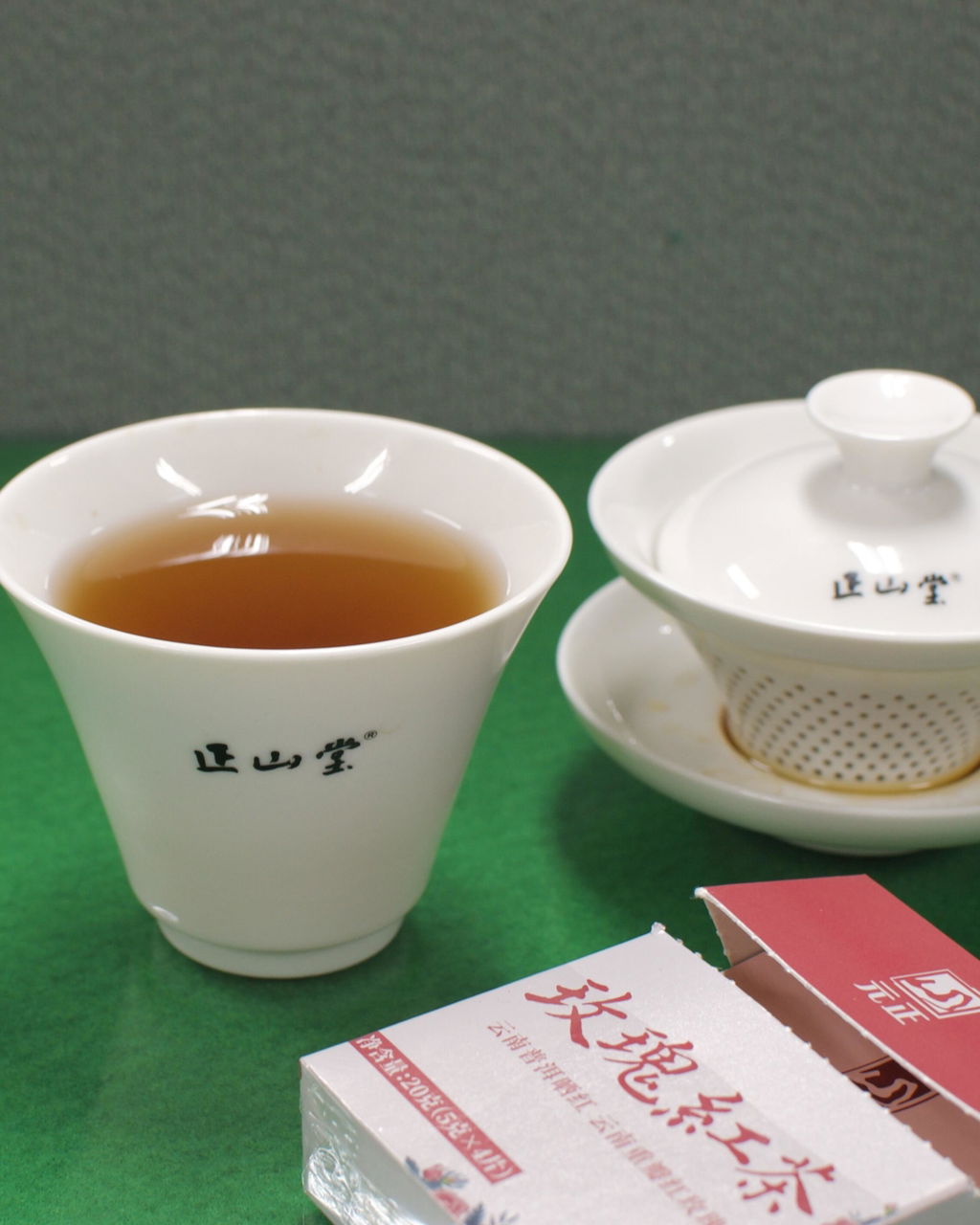
In the cup: a clear golden liquor with fruity notes, a mellow texture and a gentle tartness.
After brewing: the golden fruit and opened tea leaves reveal how the two ingredients come together.


One fruit. A simple brew.
Place one Cili Black Tea fruit in a heat-resistant drinking cup. Add 200 mL of water at 90–100°C and start with a first infusion of about one minute.
Adjust the time to your taste. Refill with hot water for further infusions, judging each cup by flavour rather than a fixed number of brews.

Fruit and tea, ready to enjoy
Explore the original product photographs, from the filled fruit to the golden liquor. Keep the tea in its original packaging and follow the storage guidance on the label.


Questions about this tea
What is cili?
Cili is the fruit of Rosa roxburghii, known for its thorny skin and bright, distinctive acidity. This tea pairs it with Pu’an black tea from Guizhou.
What does cili bring to the flavour?
It adds lively fruit acidity and a distinctive aroma. The black tea balances these with mellow, honeyed notes. Flavour varies with water, temperature and infusion time.
How is Cili Black Tea made?
The fruit is washed, sorted and deseeded. Pu’an black tea is filled inside by hand, then the filled fruit is slowly dried at low temperature. Brew the fruit and tea together.