

Product details
Introduction
The raw Shui Di Xiang leaves are one bud and two leaves of the excellent high-mountain tea in Wuyi National Nature Reserve.
It tastes very mellow and sweet in the mouth.To fully reflect the fragrance comes from the bottom, we named it after a couplet that described "Spring is picked from the mountains, and fragrance comes from the bottom of tea soup".
Both Shui Di Xiang and Fei Zi Xiao have the lychees aroma. Shui Di Xiang more mellow,and Fei Zi Xiao more fragrant.
Taste
Dry Tea: Tip is fine,black,and juicy
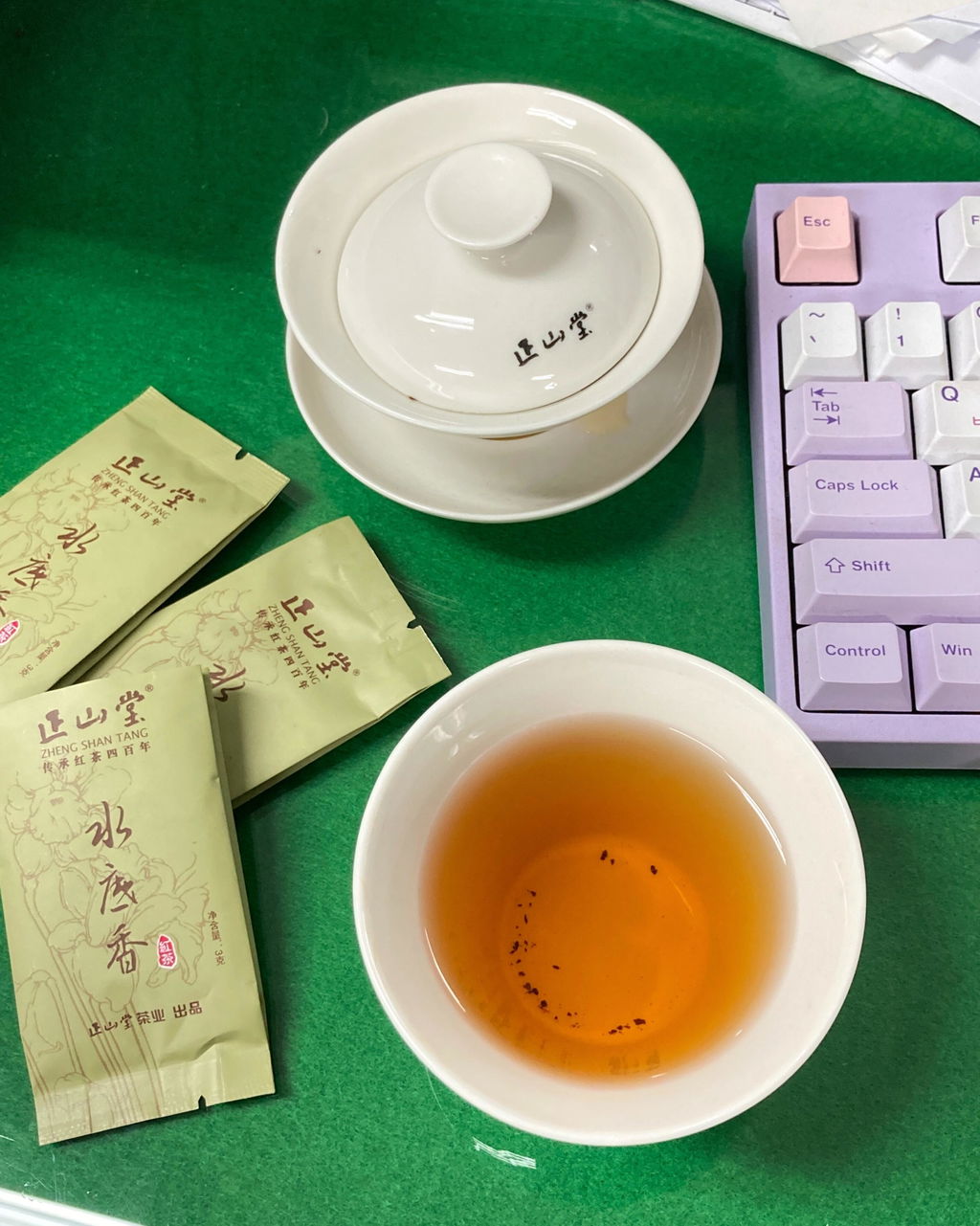
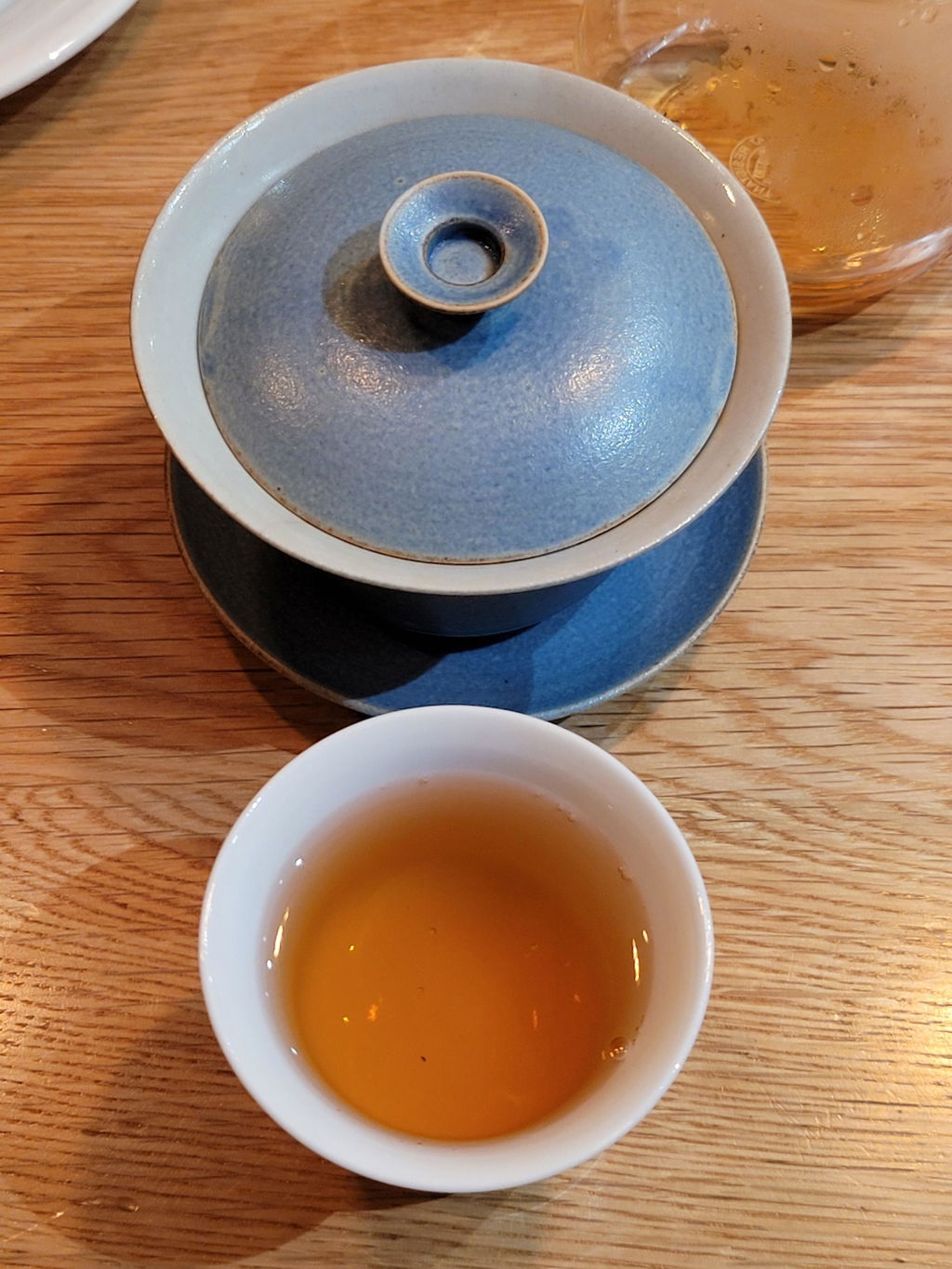
Soup: Orange, bright, golden circle.
Aroma: Obvious fruity aroma.
Taste: Mellow, sweet and sweet in the mouth.Delicate lychee fragrance.
Wet Tea: Bright and stretched.
Storage method: Sealed and placed at room temperature, cool, dry, no peculiar smell, dark place.
Materials
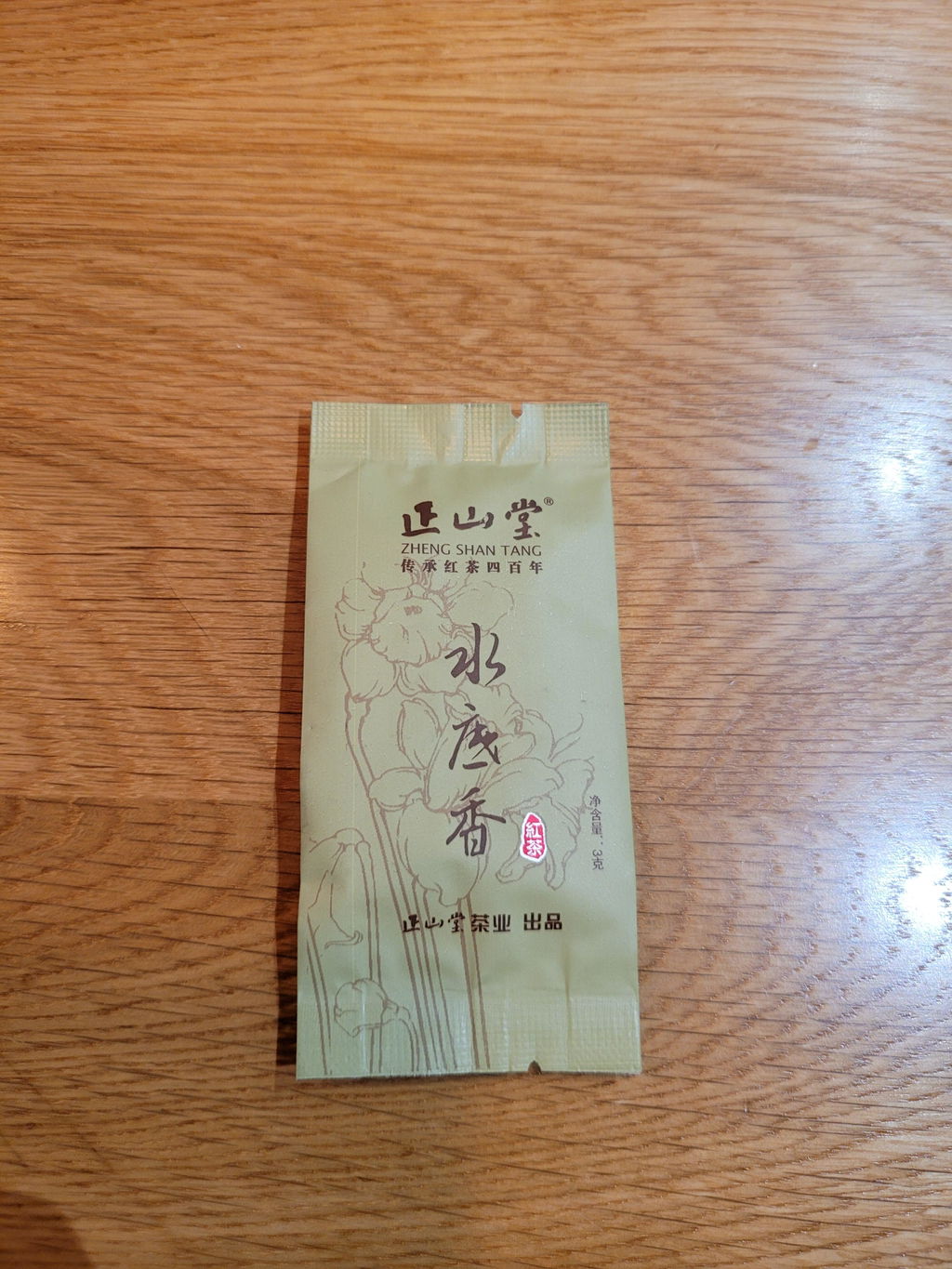
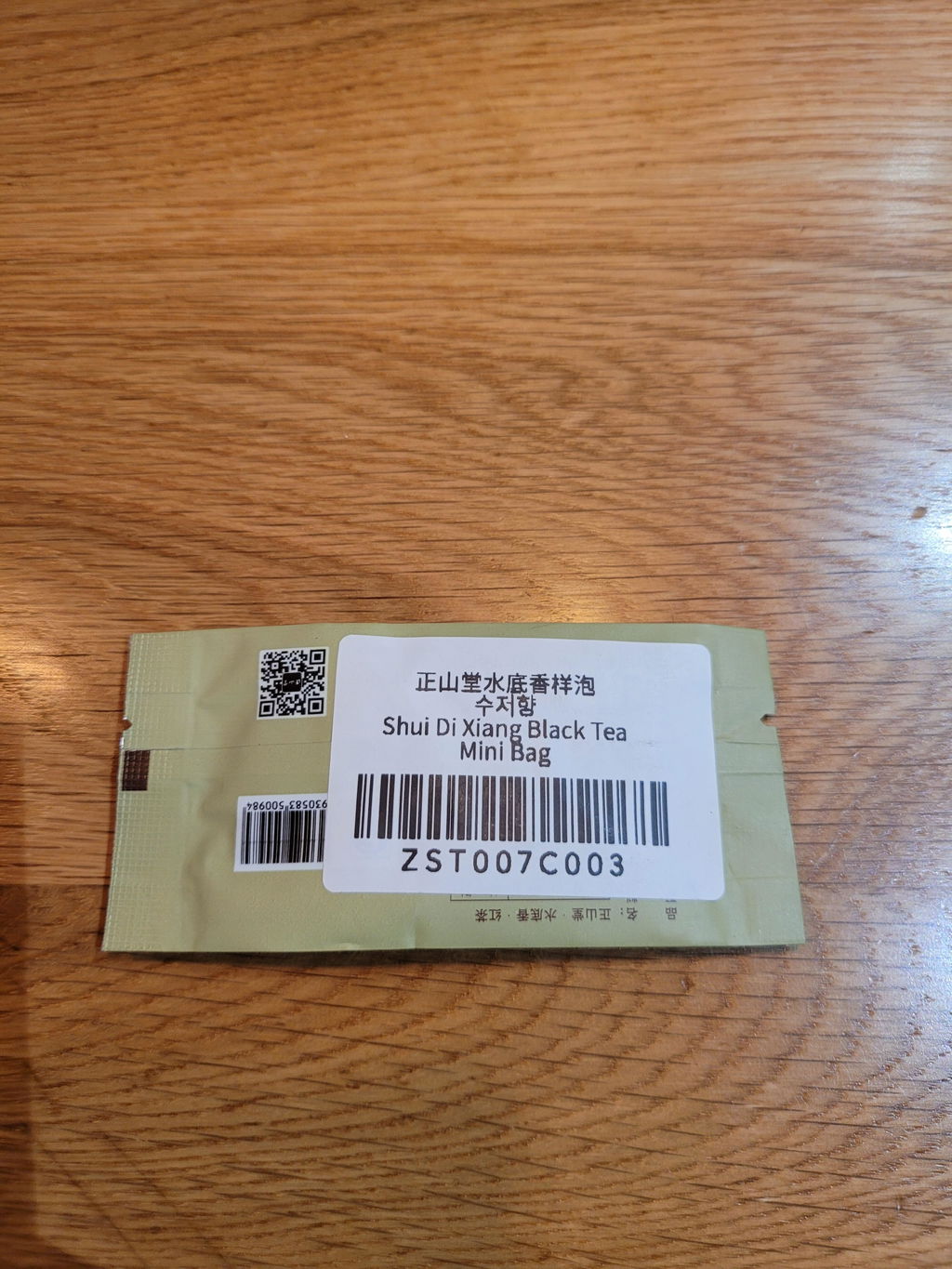
Net weight: 3g/sachet
Grade: Top Grade
Picking Standard: 1 Bud with 2 leaves
Type: Black Tea
Origin: Tongmuguan,Wuyi Mountain
How to brew
It is advisable to use a covered bowl for brewing.
1.Add 3g of tea after warming the cup and smell the tea aroma
2.Prepare pure water around 95°C.
3.1-4 course rush out, do not soak for a long time.5-7 courses soak for 5-10s, 7-10 courses about 15s. The more times of brewing, the longer the soaking time, in order to ensure the stability of the tea soup.
Product video
Chinese black tea: history and brewing
This guide explains the tea category and its background. For the contents, origin and preparation of this specific product, refer to the product details above.
What is Chinese black tea? History, benefits and more
Tea is a beverage made from the leaves of Camellia sinensis. It is one of the most consumed varieties of tea worldwide. Traditional tea can be divided into green tea, yellow tea, white tea, oolong tea, black tea and dark tea. In addition, there are also flavoured teas (such as scented tea, fruit tea, instant tea etc.).
Black tea is a fully fermented tea suitable for everyone in any season.
Chinese high-quality black tea is known for its three characteristics: picking in spring, hand-picking, and hand-making. This makes a big difference with other black tea. That's why Chinease black tea has a rich aroma, and can be brewed for multiple times without adding any flavors.
Drinking black tea allows to warm up your body in winter, and nourish your stomach in summer.


Origin and history of black tea
Lapsang souchong was born in 1568 AD with a history of more than 450 years. It is the ancestor of the world's black tea. Keemun black tea, Assam black tea, Darjeeling black tea, Ceylon Highland black tea and other world black tea are all originated from lapsang souchong.

Manufacturing process of black tea
The steps involved in the production of black tea are picking, withering, rolling, fermentation and drying. Usually, it takes 2 days to make one batch of tea. Teas with different picking standards and different flavors need to be made separately. We usually make tea in April and May every year. However, there are areas where black tea is picked all year round, and the quality is much poorer.
Product video

Black tea brewing tips
Pure water (mineral-free, pH < 7.0) with a temperature of 90-100℃ is recommended for brewing. You can choose a covered bowl, a cup or a cold brew kettle.
▶Gaiwan or pot: 120-150 ml, 3-5g tea, can be brewed repeatedly 8-12 times, each soaking time is 5-15s
▶Cup: 200-300 ml, 1-2g tea, can be brewed repeatedly 2-4 times, each soaking time is 3-5 minutes
▶Cold brew kettle: (cold water/ice water brewing) 200-300 ml, 1-2g tea, refrigerate at about 0℃ for 3-5 hours


How to appreciate black tea?

1Dry tea leaves
golden and black/black, complete and tightSoup
1color
golden/orange/orange red, bright and clear
1Taste
sweet, mellow/fresh
1Aroma
fresh, floral, fruity, honey-like and herbaceous aroma, etc.
1Wet leaves
complete with uniform bronze color
Black tea mix and match
Product video
1Black tea with longan and wolfberry
Product video
1Black tea with rose and apple
Product video
1Black tea with Green Grape
Product video
1Black tea with
red dates and ginger
Product video
3Black tea with Icy Coconut
Product video
1Black tea with
tangerine peel and pear
Product video
1Black tea with Osmanthus
Product video
How to appreciate black tea?
1Dry tea leaves
golden and black/black, complete and tightSoup
1color
golden/orange/orange red, bright and clear
1Taste
sweet, mellow/fresh
1Aroma
fresh, floral, fruity, honey-like and herbaceous aroma, etc.
1Wet leaves
complete with uniform bronze color
Black tea mix and match
Product video
1Black tea with red dates and ginger
Effects: dispel wind-cold
Materials: ginger with skin (shredded/sliced), dried red dates without pits, one mini bag of black tea

1Black tea with hawthorn and apple
Effects: promote appetite, remove dampness
Materials: fresh hawthorn, chopped apples, one mini bag of black tea

1Black tea with longan and wolfberry
Effects: tonify blood and qi
Materials: peeled and seeded longan, wolfberry, one mini bag of black tea

1Black tea with astragalus
Effects: replenish qi and raise yang, regulate the spleen and stomach
Materials: appropriate amount of astragalus, one mini bag of black tea

1Black tea with tangerine peel and pear
Effects: moisten the throat and lungs, clear away heat
Materials: peel one pear and cut into pieces, tangerine peel, one mini bag of black tea

1Black tea with rose and jasmine
Effects: calm the mood and maintain beauty
Materials: dried roses and jasmine, one mini bag of black tea

How to store black tea?
Under normal temperature, sealed, dry, light-proof and odor-free storage conditions, the quality can remain unchanged for three to five years or even longer, the taste is more mellow, and the tea aroma is integrated into the tea soup.


The benefits of Zhengshantang classic tinplate can packaging:
① Good sealing, light-proof, moisture-proof and odor-proof
② The can body is made of tin-plated thin steel plate to prevent transportation damage
③ Environmentally friendly and easy to recycle
④ Since the founding of Jin Jun Mei, the packaging has been used for 18 years, with a simple feeling and returning to nature
⑤ Six anti-counterfeiting logo designs: can bottom embossing, can top gravure, aluminum film origin label and QR code label, side geographical indication, "Jiang Yuanxun" seal and "Zhengshan Successor" seal
⑥ Anti-counterfeiting ice cracks on the bottom
How to store black tea?
Under normal temperature, sealed, dry, light-proof and odor-free storage conditions, the quality can remain unchanged for three to five years or even longer, the taste is more mellow, and the tea aroma is integrated into the tea soup.
The benefits of Zhengshantang classic tinplate can packaging:
① Good sealing, light-proof, moisture-proof and odor-proof
② The can body is made of tin-plated thin steel plate to prevent transportation damage
③ Environmentally friendly and easy to recycle
④ Since the founding of Jin Jun Mei, the packaging has been used for 18 years, with a simple feeling and returning to nature
⑤ Six anti-counterfeiting logo designs: can bottom embossing, can top gravure, aluminum film origin label and QR code label, side geographical indication, "Jiang Yuanxun" seal and "Zhengshan Successor" seal
⑥ Anti-counterfeiting ice cracks on the bottom
How to store black tea?
Under storage conditions of room temperature, sealing, dryness, light avoidance and no odor, the quality can remain unchanged for three to five years or even longer, the taste will be mellower, and the tea aroma will be integrated into the tea soup.

The benefits of using classic tinplate cans for packaging in Zhengshantang:
①Good sealing, light-proof, moisture-proof and odor-proof
②The can body is made of tin-plated thin steel plate to prevent transportation damage
③Environmentally friendly and easy to recycle
④Since the founding of Jin Junmei, the packaging has been used for 18 years, with a simple and rustic feeling and a return to nature
⑤Six anti-counterfeiting logo designs: embossing on the bottom of the can, gravure printing on the top of the can, aluminum film origin label and QR code label, geographical indication on the side, "Jiang Yuanxun" seal and "Zhengshan Successor" seal
⑥Anti-counterfeiting ice cracks on the bottom.
The differences between traditional Chinese tea and western tea
1. No Flavors Added VS Flavored:High-quality tea raw materials combined with traditional Chinese hand-made tea-making methods, the tea will have fragrance without adding natural or artificial flavors, which is not only healthy but also more lasting.
2. Multiple Brewing VS Single serve:Usually western tea drinking recommends that you soak the tea for about 3 minutes. For Chinese tea, of course you can drink that way, but if you learn Kungfu brewing style with Gaiwan, you will be attracted by the multiple brewing taste and feeling


3. Tea maker VS Dealers: As the hometown of Chinese tea, most Chinese brands are tea producers and growers. This is our mission that has been passed down for hundreds of years.
4. Strict on water temperature, equipment and water quality:95-100℃(203-212F), Purify water, Chinese tea set(or your tea pot), 3 elements for a delicious cup of Chinese tea.
So, Chinese tea is designed for a slow, peaceful lifestyle. It also incorporates thousands of years of oriental wisdom. Are you ready to drink the best, freshest and most guaranteed Chinese tea?
Comparison Of Different Black Teas
Zheng Shan Tang Black Tea

• Distinct buds and leaves
• Only picked in Spring
• Semi-handmade
• No additives
• Fragrant and sweet
• Floral, fruity and honey aroma
• Brewed more than 8 times
• Superlative Enterprise standard
Other Black Tea

• Complete tea leaves
• Multiple pickings each year
• Semi-handmade
• No additives
• Bitter
• Sweet honey aroma
• Usually 6-8 times
• National standard
Western Tea

• Usually broken tea
• Mostly picked in summer and autumn
• Industrial production
• Usually flavors/dried fruits are added
• Strong and bitter
• Varies in aroma
• Usually 4-6 times
• International standard
Black Tea Product Standards
Before 2012, there were no grading standards and a complete system for domestic black tea, so it was necessary to formulate national standards, industry standards, geographical standards, group standards etc. that were in line with the characteristics of black tea, and to make quality requirements for the origin, craftsmanship, appearance, and internal quality of different levels and types of black tea.

In 2012, Zheng Shan Tang, as the only enterprise unit, drafted and formulated the national standard: GB/T 13738.3 "Black Tea Part 3: Souchong Black Tea"

In 2015, Zheng Shan Tang, as the only enterprise unit, drafted and formulated the industry standard: GH/T 1118 "Jin Jun Mei Tea", which well regulated the Jin Jun Mei market.

In 2018, Zheng Shan Tang, together with various production areas, drafted and formulated the first national, cross-provincial group standard for black tea: T/CTMA 002 "Jun Mei Black Tea".
Which kind of black tea do you want to buy most?

Single Bud Black Tea
learn more

Lapsang Souchong Black Tea
learn more

High-aroma Black Tea
learn more

Wild Black Tea
learn more

Regional Black Tea
learn more

Gongfu Black Tea
learn more