
English · Part 1
Download the published PDF edition.

LAPSANGSTORE · Discover Chinese tea
Published
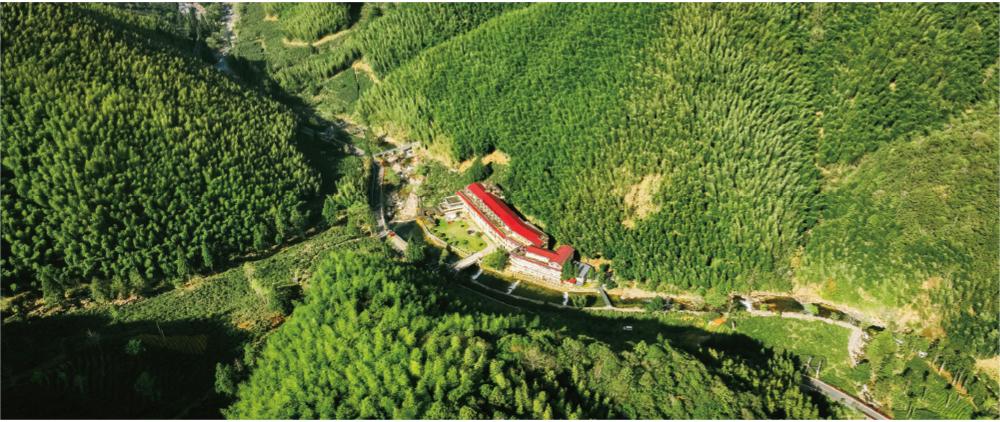
Zheng Shan Tang’s story begins with Wuyishan black tea. This guide follows the relationship between place, leaf selection and craftsmanship, from Lapsang Souchong and Jin Jun Mei to regional Junmei black teas.

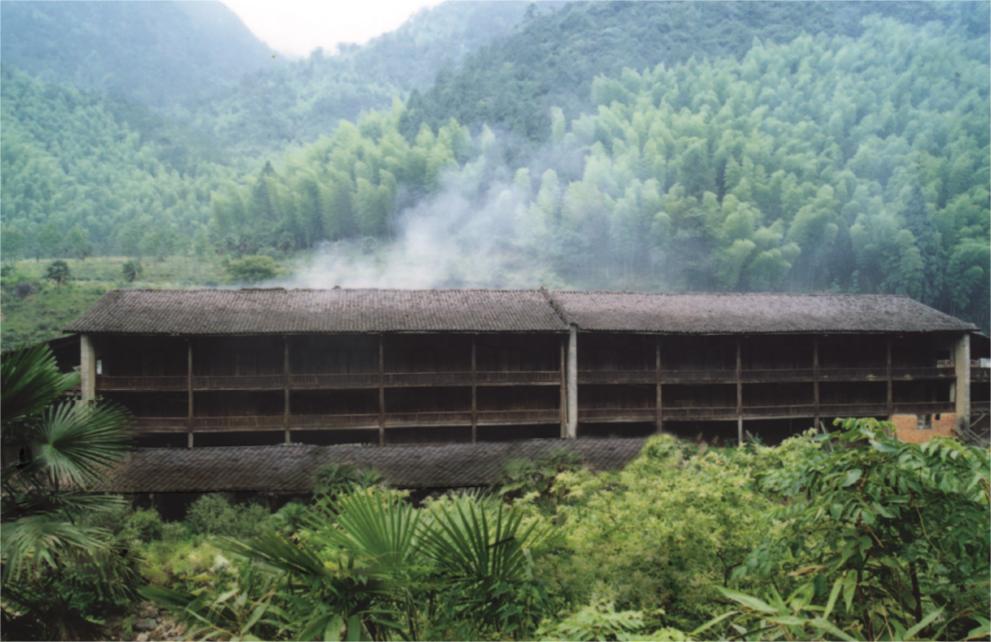
Tongmu’s mountain environment and its traditional tea buildings form part of the Lapsang Souchong story. Withering, rolling, oxidation and drying shape black tea. Smoking is a distinct processing choice: not every Lapsang Souchong has the same smoky profile.

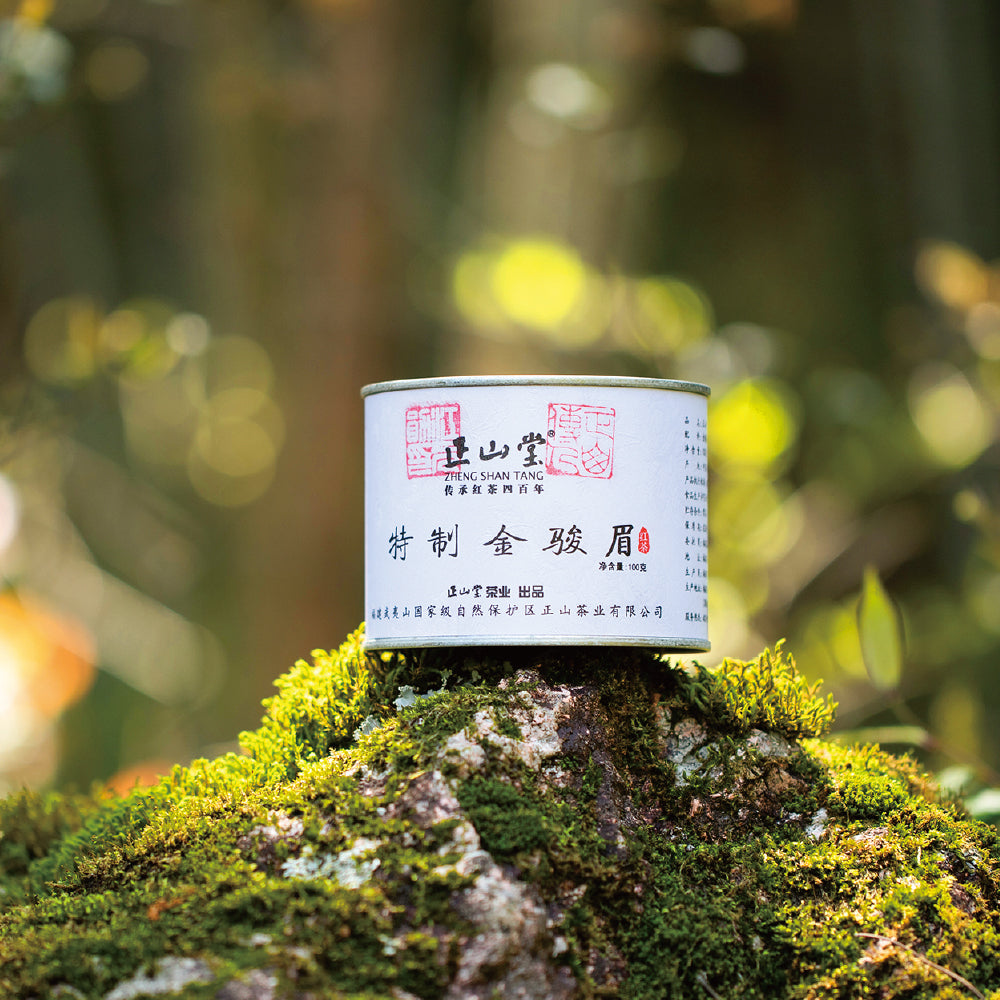
Jin Jun Mei brings careful bud selection together with black-tea craftsmanship. Read the origin and product information alongside the appearance: colour alone does not establish authenticity. Compare fragrance, clarity, texture and the finish across several infusions.
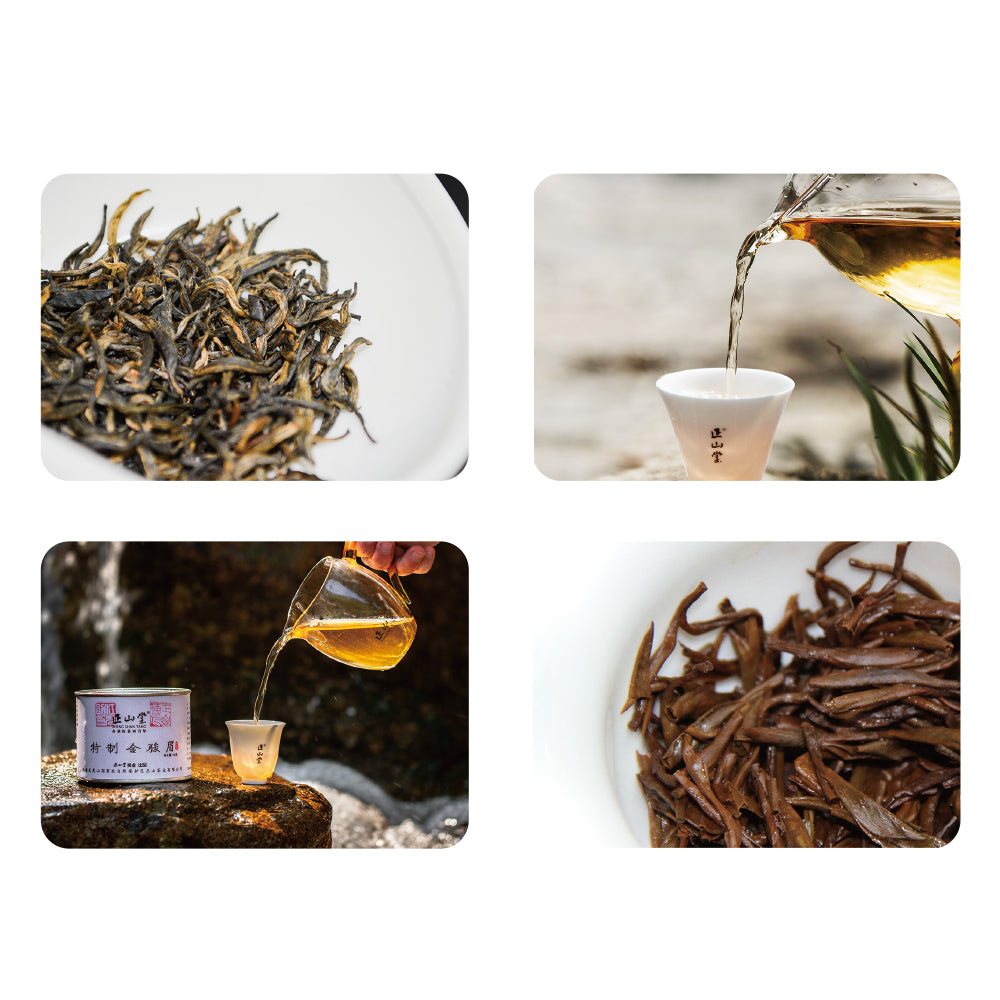
Junmei processing is also used with tea leaves from other Chinese growing regions. Cultivar, elevation, local conditions and processing influence aroma and body. Regional Junmei tea and Tongmu Jin Jun Mei each have their own origin and leaf specifications. Check the details for the tea you choose.

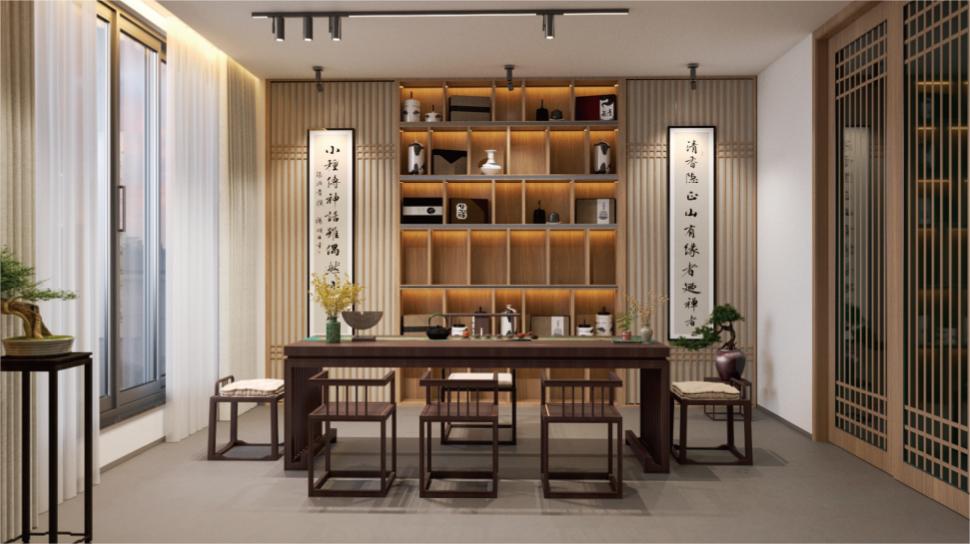
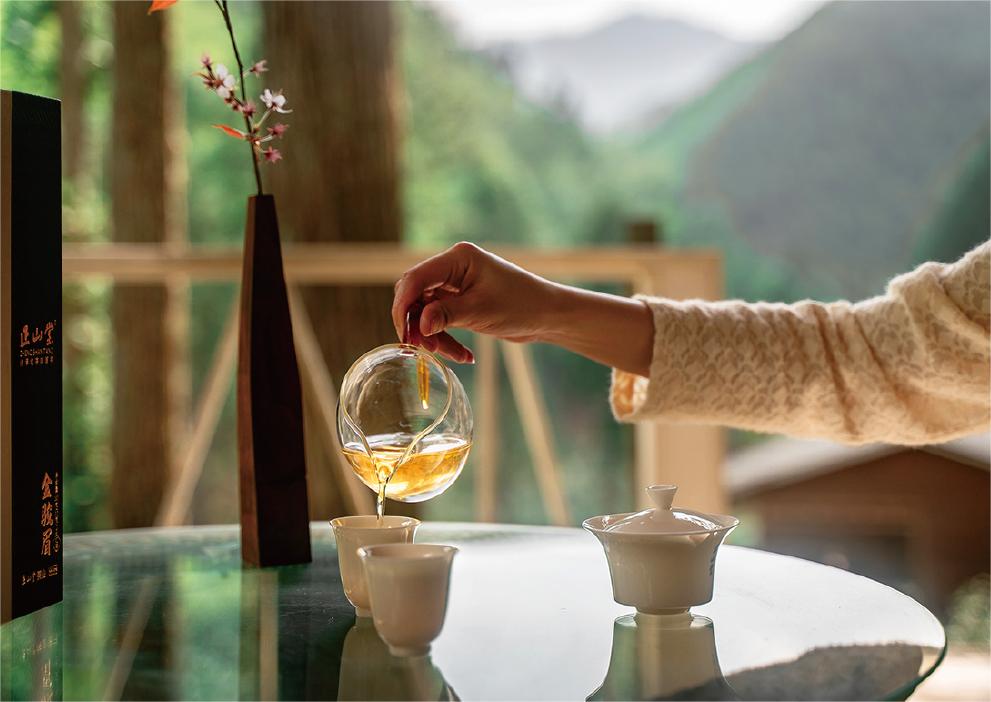
Check the tea type, origin, ingredients, net weight, storage instructions and the production or best-before information on the pack. Standards and grade descriptions must be read in their relevant product context; a high grade does not guarantee the flavour you personally prefer.
Certificates and test reports have their own scope, which can be limited to a specific tea, producer or batch.
Use fresh water and clean equipment. Start with the directions for your tea and the capacity of your vessel. In a gaiwan, pour out each infusion fully; in a mug, remove the leaves when the tea reaches your preferred strength. Adjust leaf quantity, temperature or time one at a time.
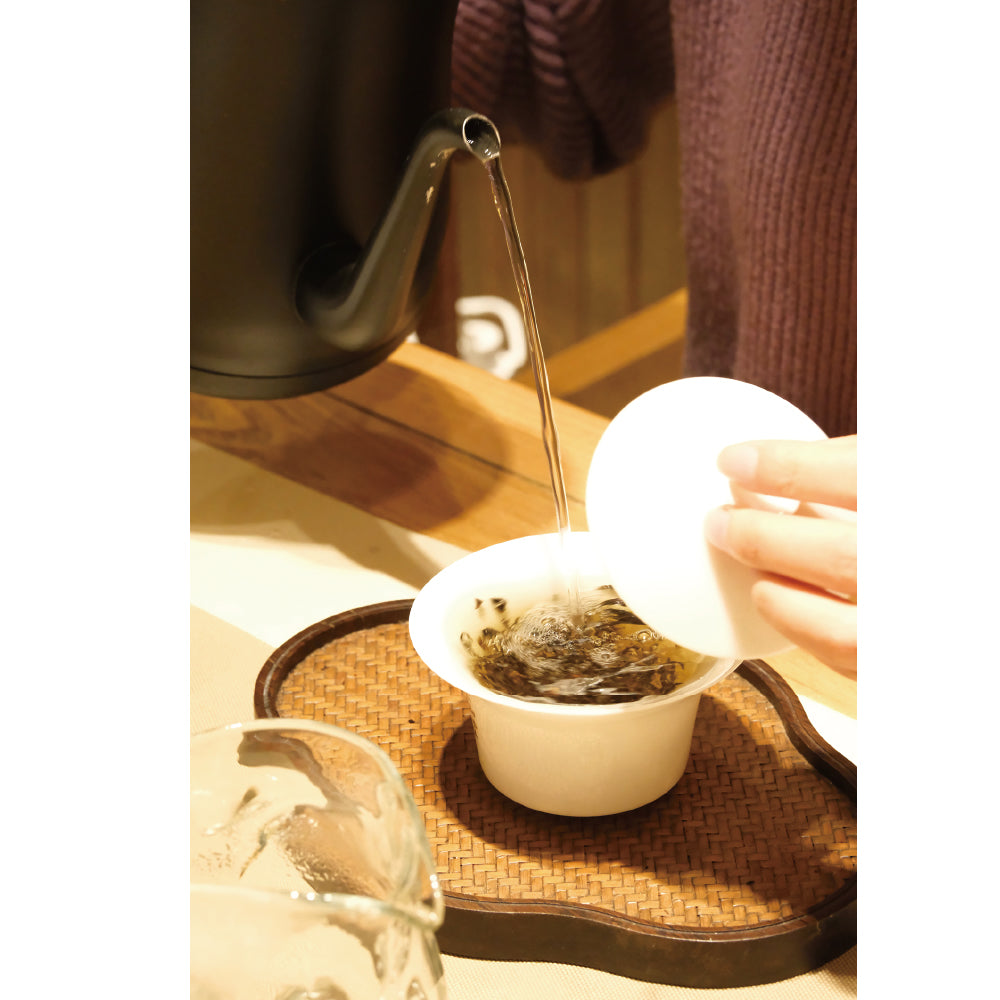
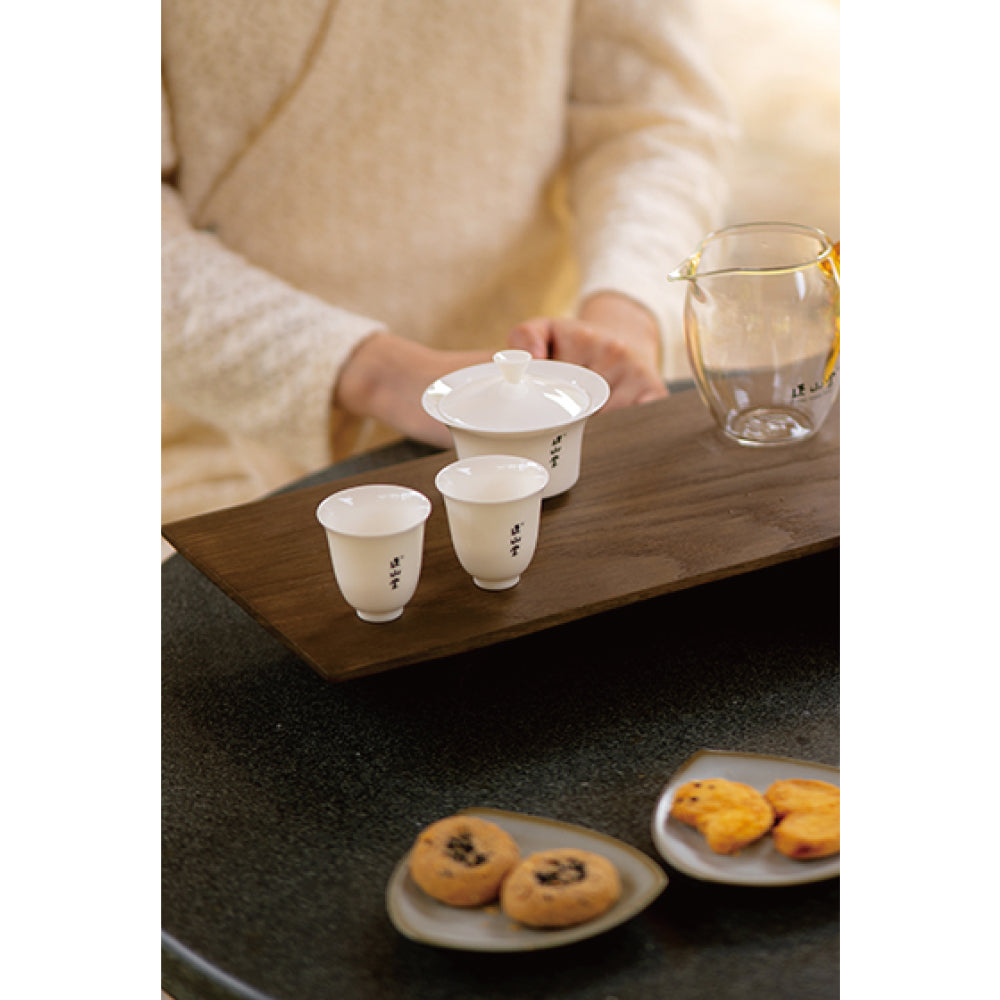
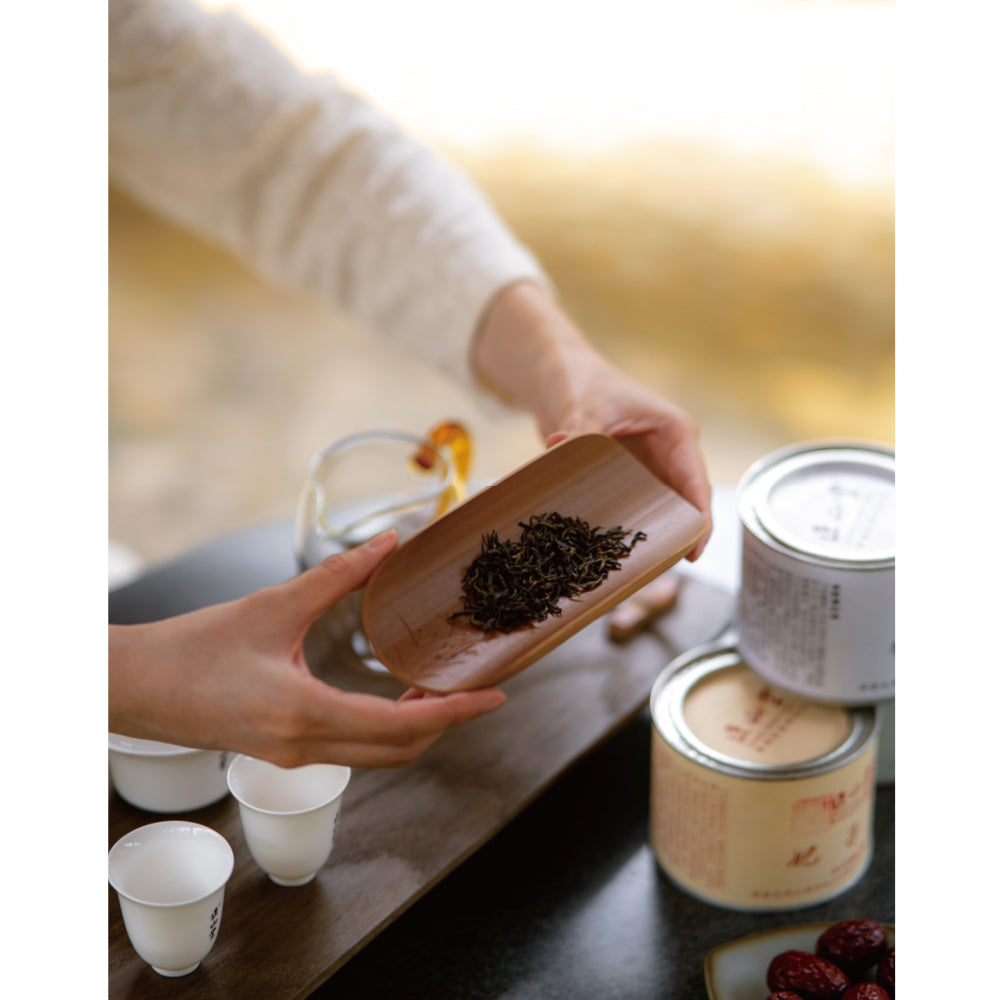
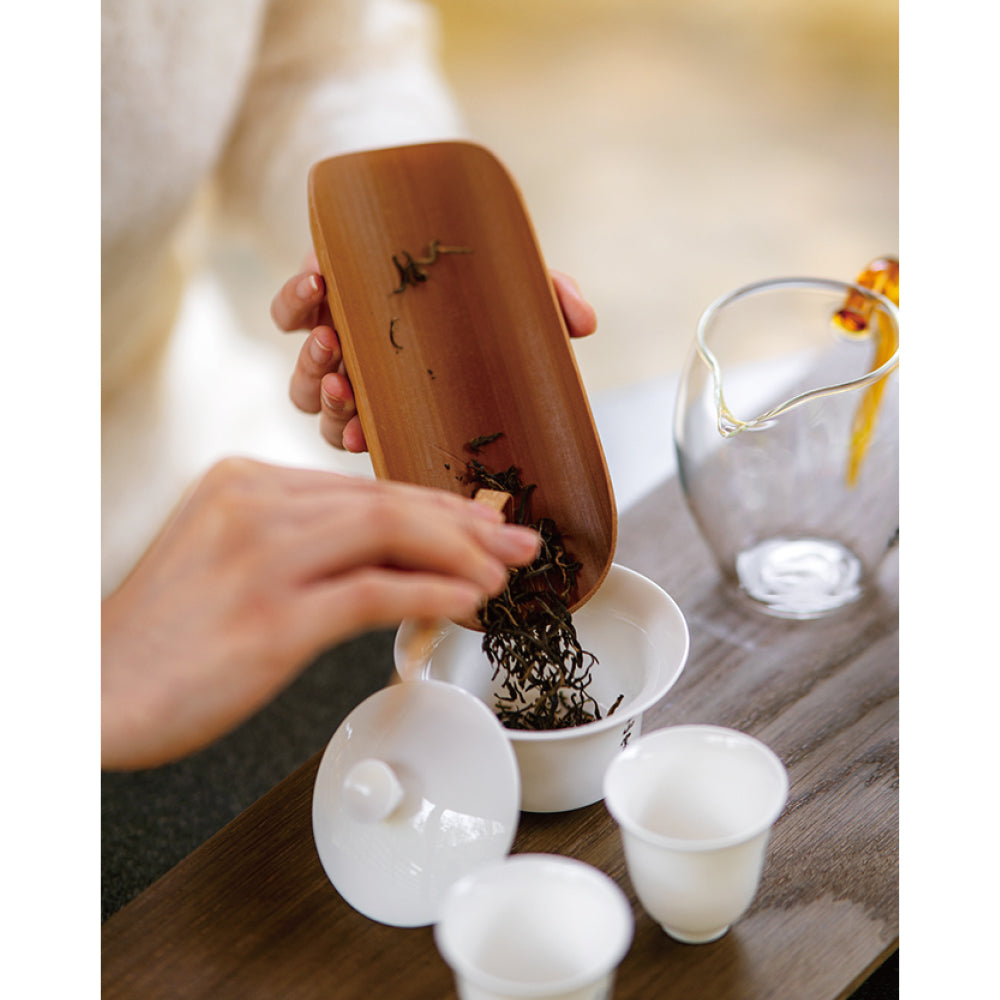
Smell the dry leaf and the brewed tea, then take a small sip once it has cooled to a comfortable temperature. Describe what you notice in your own words. For comparisons, keep water, vessel and brewing conditions similar rather than judging two teas brewed at very different strengths.
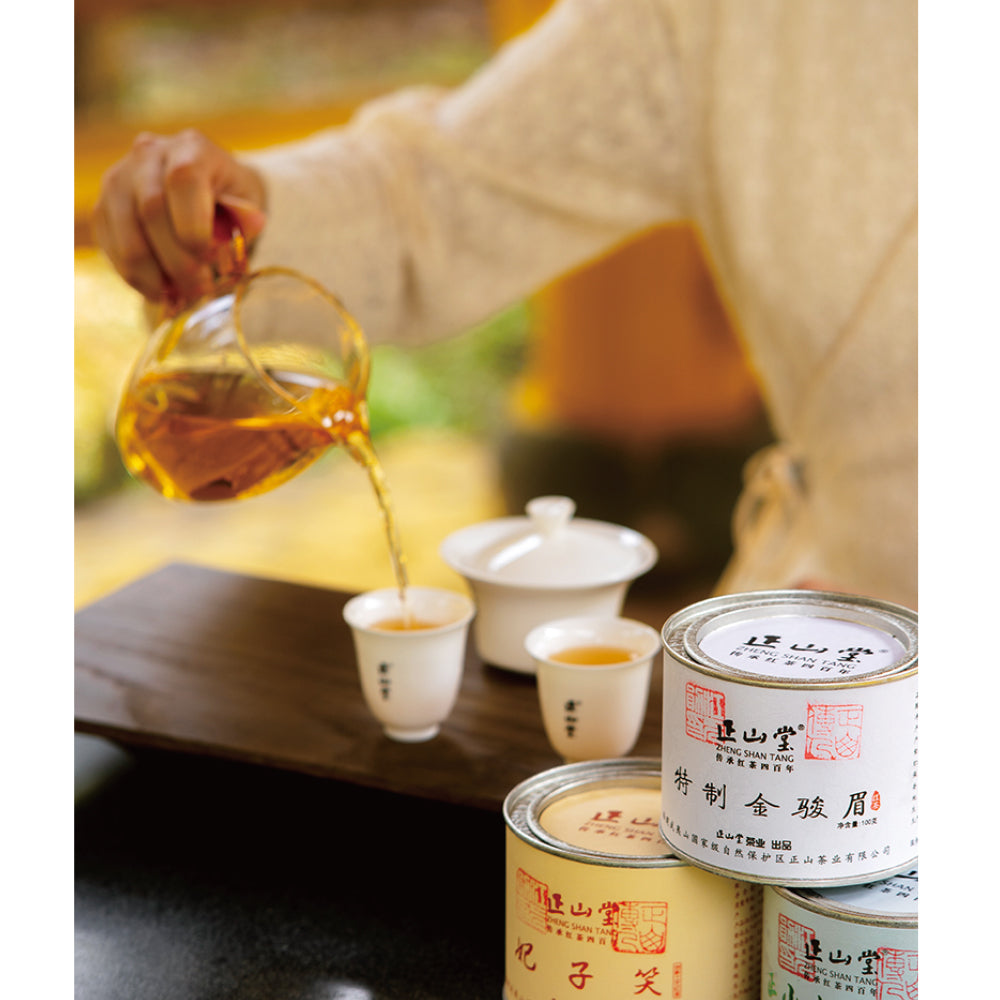
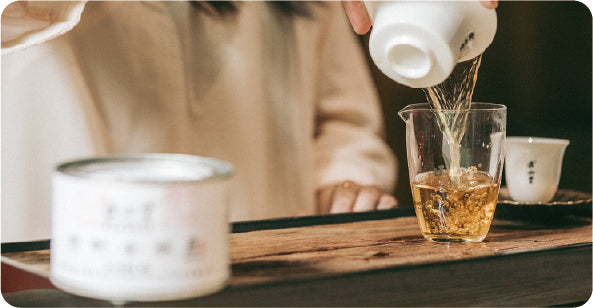
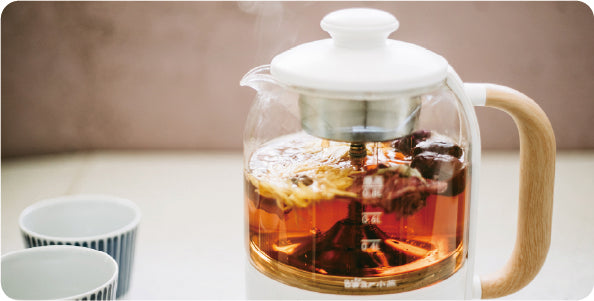
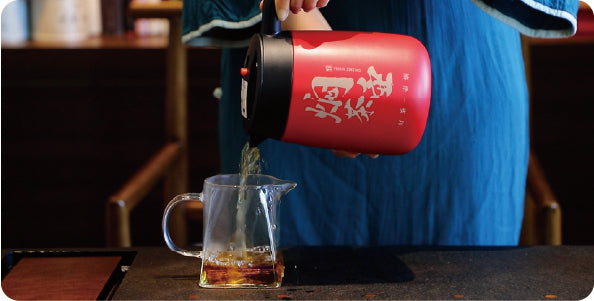
Keep tea tightly sealed, dry and away from light, heat and strong odours. Follow the shelf life and storage advice on the actual pack. After opening, limit repeated exposure to humid air and use clean, dry utensils.
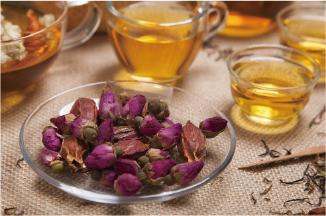
Ginger, citrus, pear or apple can be used to explore a different cup. Start with a small amount so the tea remains recognisable. Added ingredients change the recipe and its storage needs; the pictures offer serving ideas rather than a promise of health effects.
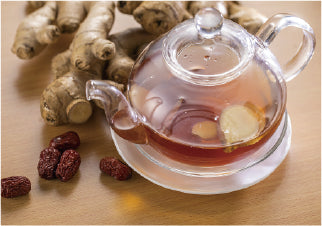

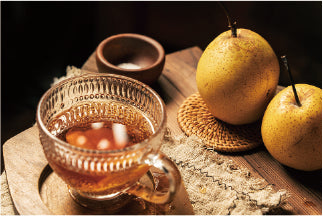

Choose flavours and serving sizes you enjoy. Plain tea, floral additions and fruit blends offer different experiences; check ingredients for sensitivities and remember that tea naturally contains caffeine. Tea is a drink to enjoy, not a substitute for medical care.

Download the published PDF edition.
Download the published PDF edition.
Download the published PDF edition.
Download the published PDF edition.
Download the published PDF edition.
Download the published PDF edition.
Continue with tea styles, origins and brewing.
In Tongmu Village, high in Fujian’s Wuyi Mountains, the Jiang family’s tea-making tradition stretches back to the story of Lapsang Souchong. The old pine-smoked black tea, the wooden Qinglou and the narrow mountain valleys all form part of that history.
In 2005, Jiang Yuanxun led the Zheng Shan Tang team in developing Jin Jun Mei. The team began with tender tea buds and adapted the local black-tea process to bring out a clean fragrance, golden liquor and a fresh, sweet taste. From 2010, Zheng Shan Tang started bringing the Junmei approach to other tea regions, working with local growers and makers to develop black teas from their own cultivars.
Zheng Shan Tang’s family tradition places the story around 1568, in the Ming dynasty. During the picking season, passing soldiers are said to have rested on baskets of fresh leaves. By morning the leaves had reddened. Tea makers rolled them and dried them over pine, creating a dark tea with a striking smoke fragrance. The story continues in Xingcun, where the tea was first sold cheaply. Buyers are said to have returned the following season asking for more.
Tongmu, including the villages of Miaowan and Jiangdun named in old tea accounts, lies among high ridges and deep valleys. The mountains are often misty and wet, and evergreen forest shelters many of the gardens. Loose, mildly acidic yellow and red-yellow mountain soils, along with the changes in temperature between day and night, help describe the landscape in which the tea grows.
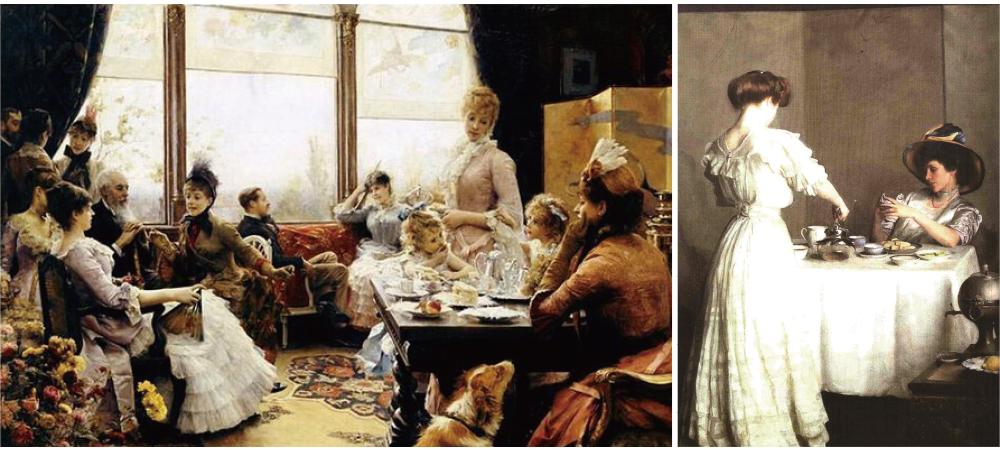
Over time black tea found a place in everyday gatherings, including British afternoon tea. Lapsang Souchong’s pine aroma gives it a distinct place in that wider drinking tradition.
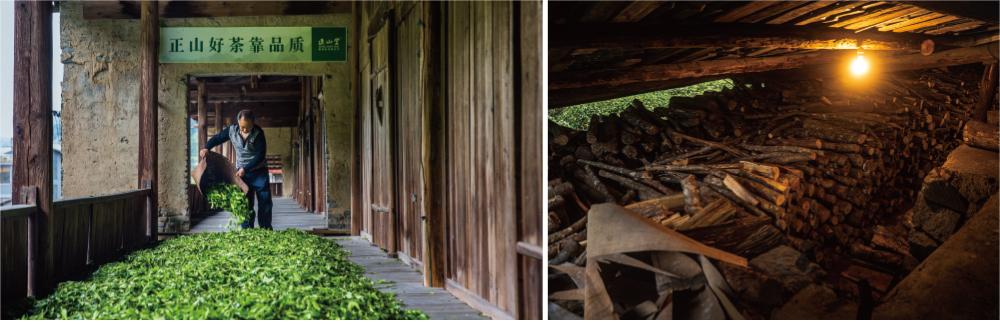
The traditional Qinglou is a multilevel wooden tea house. A fire of Masson pine supplies heat and smoke from below. Bamboo sieves on the roasting racks hold the leaves. Opening or closing doors regulates the flow of warm air, and residual warmth on the upper floors can be used to wither the fresh leaf.
Traditional smoked Lapsang Souchong has tightly rolled, dark strips with a slight sheen. In the warm cup, pine smoke and the sweetness of dried longan can appear together. The liquor is usually clear, bright and orange-red. Look for a rounded, smooth body and a lingering finish after you swallow.
Keep the first few infusions separate. As the liquor lightens, compare which lasts longer, the pine fragrance or the fruit sweetness. Then unfold the soft, bronze-coloured spent leaves. The tea can be served plain or, in a stronger infusion, with milk or sugar. Follow the storage guidance on the package when keeping it for later.
As the new century began, the Zheng Shan Tang team was looking for a new use for Tongmu’s leaves and a way to serve drinkers who preferred black tea plain. In the summer of 2005, a conversation among Jiang Yuanxun and visiting tea friends turned to what could be made from the young buds. The team picked a small batch, withered and rolled the buds, controlled warmth and moisture during oxidation, and dried the tea with charcoal heat.
They brewed the trial tea the next day. A bright golden liquor, an immediate fragrance and a fresh sweetness with a long finish gave them something to work towards. The makers continued testing and comparing batches in 2006 and adjusted the process with feedback from tasters before offering the tea to customers in 2007. The result, named Jin Jun Mei, helped renew attention to drinking Chinese black tea plain, so its own aroma could be tasted clearly.
The Tongmu style of Jin Jun Mei starts with fine spring buds. Makers spread them in a gently warmed, ventilated space to wither, with sunlight used when suitable. Rolling is done in stages to tighten the delicate buds. For oxidation, the leaves are arranged so airflow, warmth and humidity can be managed together. Drying over controlled heat completes the process and brings the aroma into focus.
The finished strips are small and even, mostly dark with golden accents. The clear golden liquor can carry flowers, fruit and honey together. Look for a fresh sweetness in the liquor, a soft throat feel and fragrance that remains after swallowing. At the end, spread the delicate, bright bronze-coloured buds to see how they have opened. The way the aroma develops from one infusion to the next is as revealing as the first fragrance.
Beginning in 2010, Zheng Shan Tang took the Junmei black-tea method to partner gardens and makers in different Chinese tea regions. Teams adapted the handling of the leaf to local cultivars, soils, elevations, rainfall and climate. The aim was to keep the clear, fragrant and sweet character associated with Junmei while leaving room for the character of each origin.
The partner regions include Pu’an in Guizhou, Guzhang in Hunan, Badong in Hubei, Xinyang in Henan, Zhucheng in Shandong, Guangyuan in Sichuan, Huangshan in Anhui, Shaoxing in Zhejiang and Fengqing in Yunnan, as well as Baisha in Hainan, Chayu in Tibet’s Nyingchi area, and Longlin in Guangxi. Regional teas include Kuaiji Hong, Wanqing Hong, Dianhong from Fengqing, Chaoran Hong and Guangyuan Hong. The partnership framework took shape by 2018.
The Junmei approach can be used with several kinds of picking material. Try comparing the leaf shape, the colour of the liquor, the aroma and the opened leaves, then look up the origin and picking style on the label.
Compare the styles using the same vessel and similar infusions. Read the stated tea type, place and grade together when choosing a pack.
Three milestones shaped the standards described here: GB/T 13738.3-2012 for Souchong black tea, GH/T 1118-2015 for Jin Jun Mei, and the T/CTMA 002-2018 association standard for Junmei black tea. Official records and association materials identify Zheng Shan Tea among the organisations involved in drafting or review. The standards address different products and give producers and buyers common terms for discussing quality.
Traceability connects the fresh leaf to the finished pack. Records can include garden inputs, field work, processing and test reports. Four useful quality-control checkpoints are residue screening before picking, sampling during processing, a finished-lot check before release, and checks on products already on sale. Sensory review complements the records by examining the dry leaf, liquor, aroma, taste and infused leaf.
On the pack, compare the tea type, declared origin, grade, lot number and storage details. Use any traceability marking according to its printed instructions. Use the standard number on that pack to find the applicable edition. Historical references GB/T 13738.3 · GH/T 1118 · T/CTMA 002
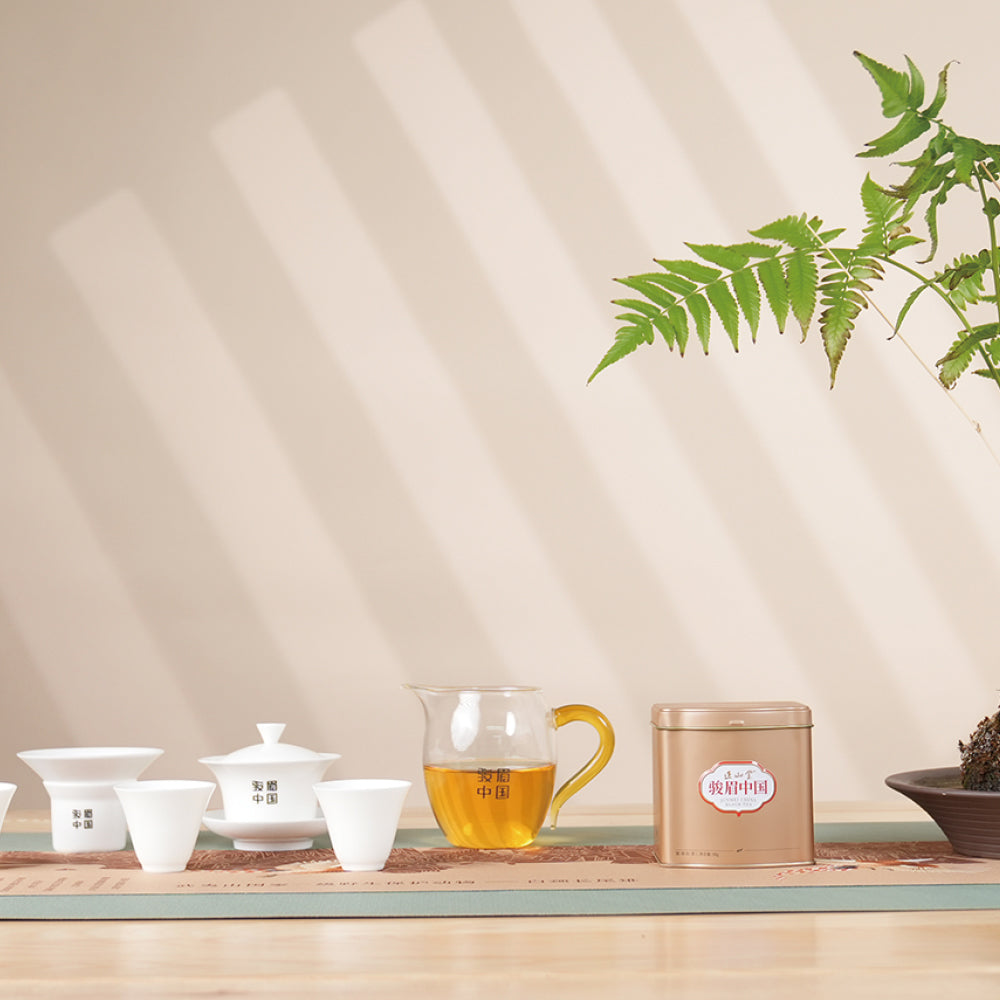
White porcelain and clear glass let you see the colour of black tea clearly. A white porcelain gaiwan makes it easy to smell the lid and pour off a short infusion. A clear glass cup or heat-safe glass pot is useful when you want to watch the leaves open and the liquor change colour. For several people, use a sharing pitcher to even out the strength before serving.
These are the handbook’s short-infusion starting points. For each row, use a 150 mL gaiwan and 100°C water.
Pour the first infusion off completely. If it is too strong, start the next round with less tea or a shorter infusion. Follow the package directions where they differ.
Gaiwan: Warm a white porcelain gaiwan and your cups. The general method uses 3–5 g and 100°C spring or purified water. A rinse is usually unnecessary. Pour off the first infusion quickly, then let later rounds sit a little longer to reach the strength you enjoy.
Stovetop: Put 5 g in a stovetop-safe pot with 500–600 mL of water. Bring it to the boil, cook gently for about 3 minutes and strain. A transparent pot lets you see the colour if it is rated for the stove.
Covered infusion: Place 3–5 g in a heat-safe covered pot. Add 500–600 mL of hot water, cover for about 3 minutes and pour off the liquor. Taste and adjust the leaf or time for the next brew.
Compare teas using the same water, vessel and timings. Start with the plain infusion before adding fruit or flowers. Record what you notice rather than trying to match a list of tasting notes.
Start with a cup of black tea you have tasted on its own. Add the ingredients a little at a time so the tea remains recognisable.
Compare the ingredient’s aroma with the tea’s own fruit, honey or floral notes. Start with less and add to taste.
Tea can absorb moisture when its container is opened repeatedly in humid air. Check the packet and dry leaf before brewing. Tea kept dry usually smells characteristic of the style and feels dry. Clumping, unusual softness or a stale or musty odour can signal moisture exposure. Dry-leaf texture varies by style and cannot establish safety on its own.
Check for visible mould and water damage. If you see mould, smell mustiness or find obvious water damage, discard the tea without tasting. Do not try to salvage it by drying or boiling. For tea that looks and smells sound, compare its liquor with what is normal for that tea. A dull aroma or unusual cloudiness is a reason to review the storage conditions.
Choose a clean, dark cupboard or another dry space away from strong-smelling food, steam and direct heat. The handbook’s reference conditions are below 25°C and below 50% relative humidity. Follow the storage and date instructions for your particular tea.
Keep intact packs closed. A lidded outer container offers extra protection. For loose tea, a clean food-grade paper pouch can go inside a dry, airtight box. A well-closing tinplate tea caddy also helps shield the leaves from light and damp air. Close the container as soon as you have taken your portion and always use a clean, dry scoop.
