 Skip to content




Traditional Cut-Strip Lapsang Souchong ·
Medium-Smoked Royal Black Tea


Lapsang Souchong: Origin, Global Spread and European Afternoon Tea Culture
OWith a history of more than 400 years dating back to 1568, Lapsang Souchong is the originator of global black tea. It inherits ancient tea-making traditions and has been celebrated as a classic Royal Black Tea across the world.

The birthplace of Lapsang Souchong black tea is Jiangdun and Miaowan Natural Village, 5 kilometers northeast of Tongmu Village, Xingcun Town, Wuyishan City (formerly Chong'an County). Mr. Zhang Tianfu, a leading figure in the contemporary tea industry, once wrote an inscription for Miaowan, "The Origin of Lapsang Souchong." Jiang Dun is named after the family name Jiang. The Jiang family has been engaged in tea business for generations and is known as the "tea family".
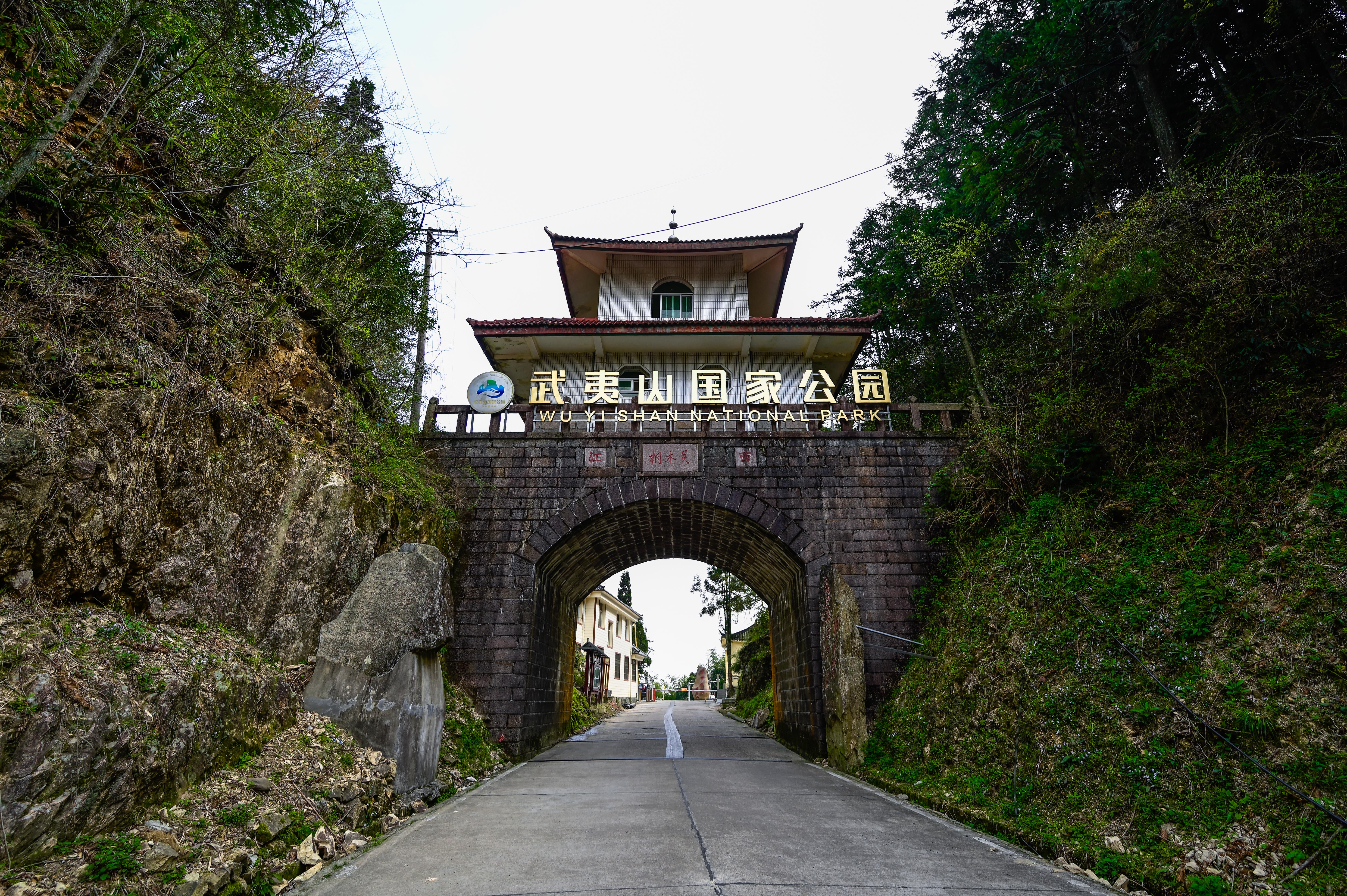
Tongmu Village, Xingcun Town, Wuyishan City (formerly Chong'an County)
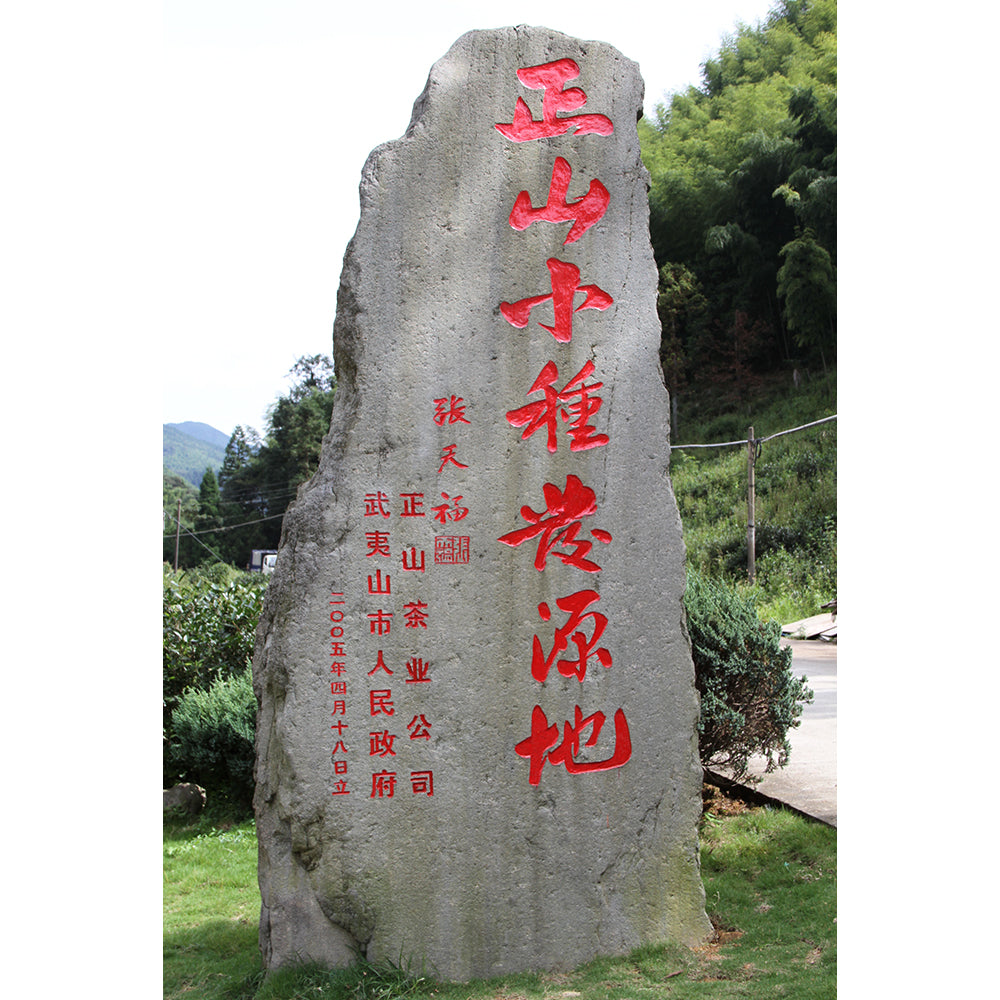
The Origin of Lapsang Souchong
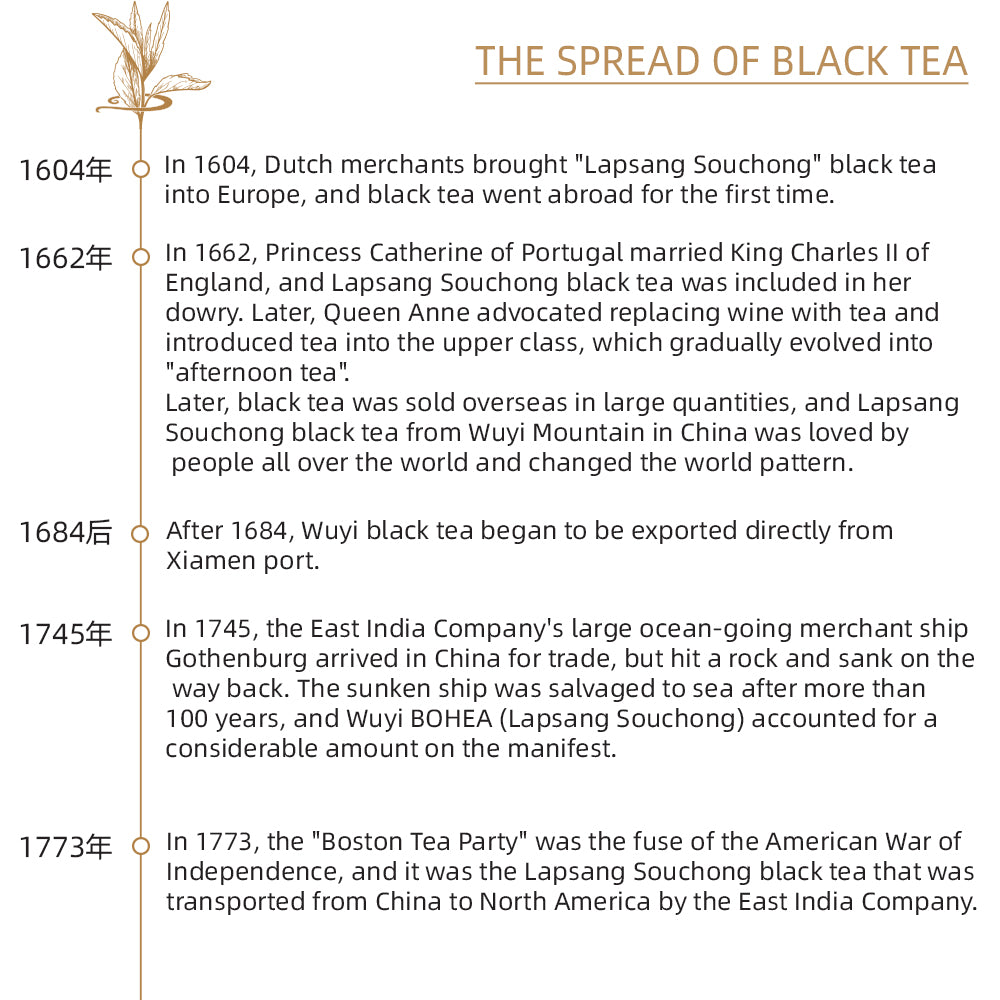
In 1604, Dutch merchants brought Lapsang Souchong to Europe — marking the first ever introduction of black tea to the West. It would later spread among European royal courts and win great favour among nobility.
GIn 1662, Princess Catherine of Braganza introduced this tea to the British royal court as part of her dowry. Its delicate pine aroma captivated the European nobility, helped pave the way for classic British afternoon tea culture, and firmly established its reputation as a “Royal favourite.”
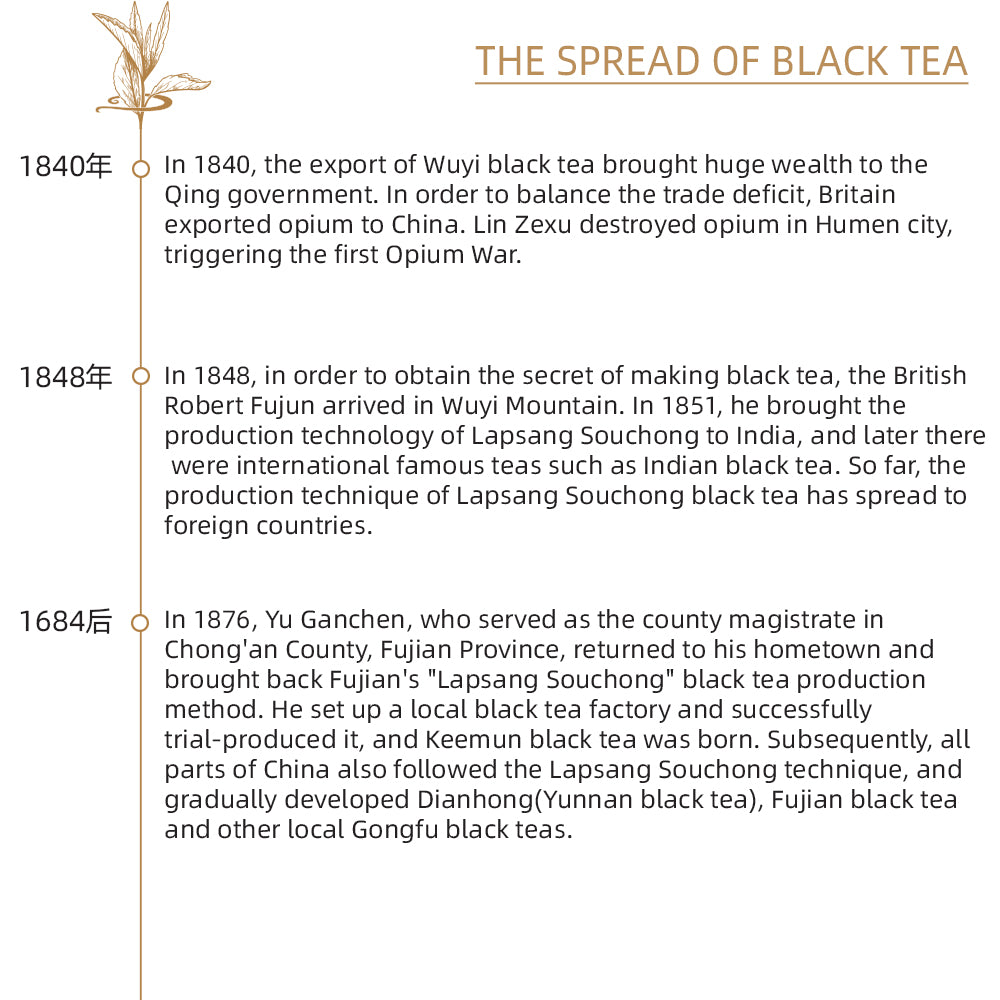
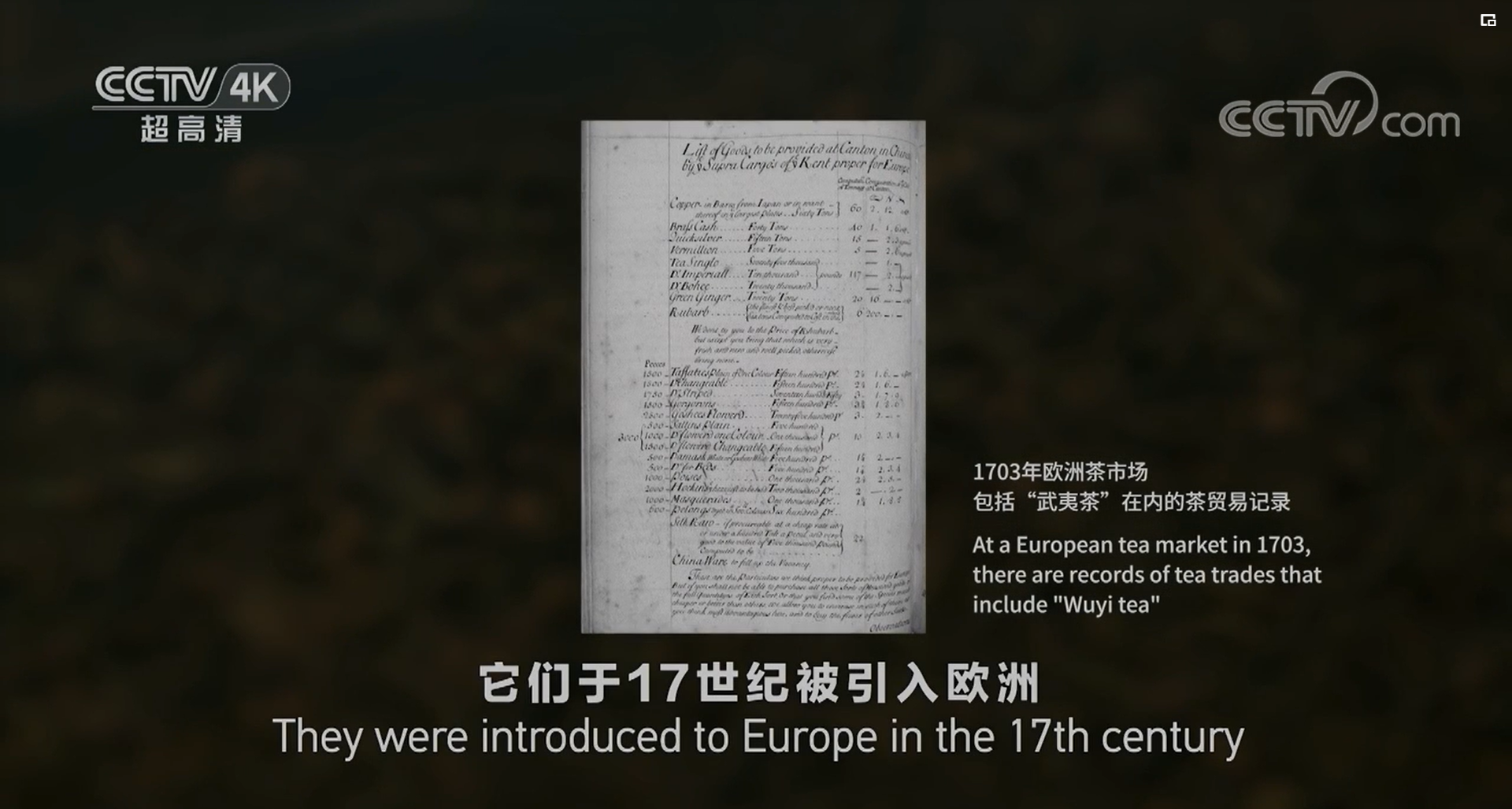
AAlthough black tea originates in China, it has gained great popularity abroad, especially in the United Kingdom. Since black tea was first introduced to Britain in the 17th century, an elegant black tea culture has gradually evolved and become the mainstream in the world of tea.

Ecological Origin and Traditional Craft
-Ecological Origin
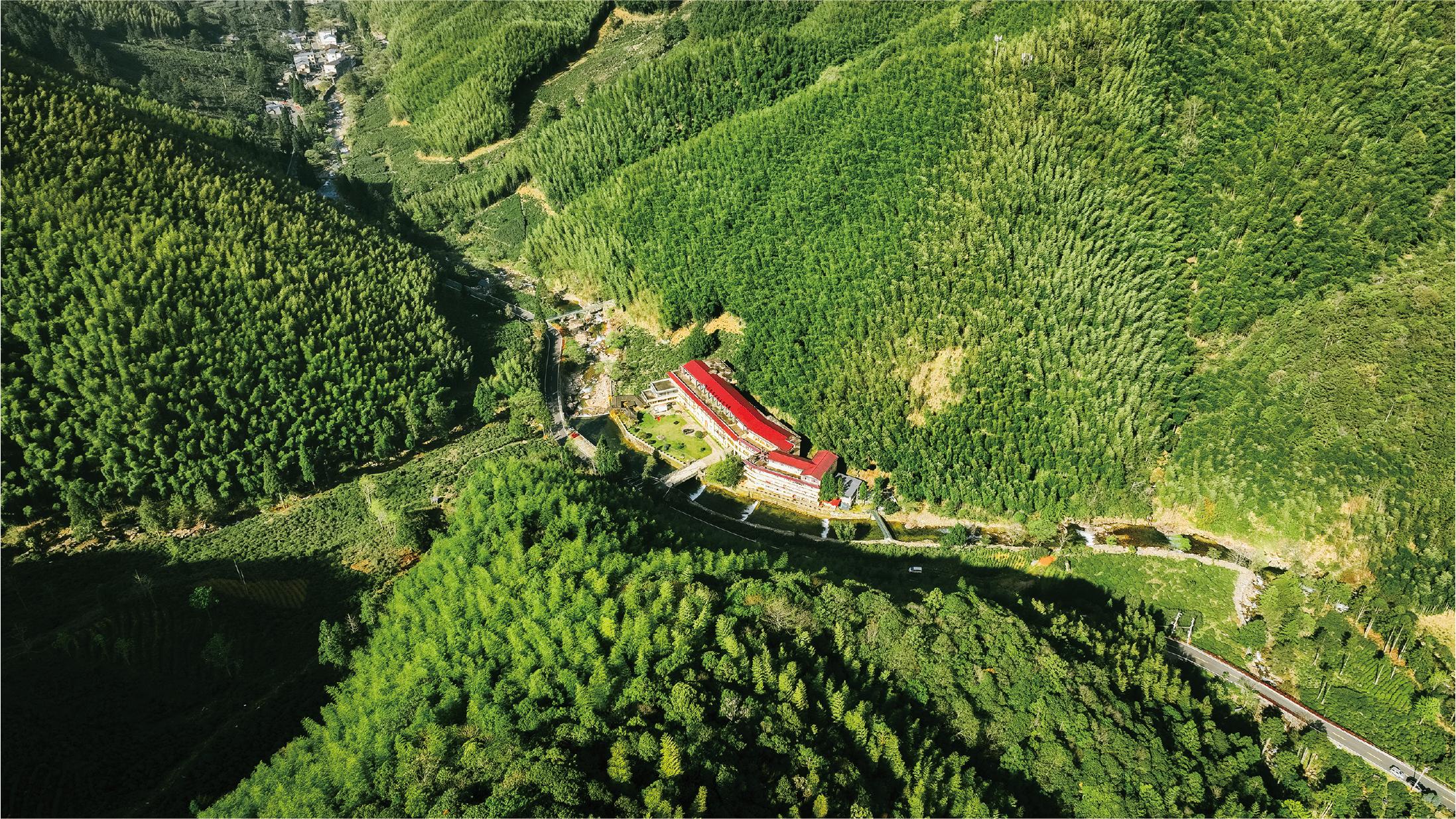
The tea leaves are sourced from pristine high-altitude tea mountains at elevations above 800 meters in the Wuyi Mountains National Nature Reserve, where strict forest protection and logging bans preserve the natural tea-growing ecosystem and prevent overdevelopment.

A Habitat of Diverse Creatures
Wuyi Mountain National Park is an important distribution area for rare and endangered species in China, including Cabot's Tragopan and the Golden Kaiser-i-Hind. It is highly regarded by both Chinese and foreign biologists as "the paradise of birds," "the kingdom of snakes," "the world of insects," and "the key to studying Asian amphibians and reptiles."
Ideal fertile Terroir for tea cultivation
Wuyi Mountain Nature Reserve is a crucial area for global biodiversity conservation. With an average altitude of 1, 200-1, 500 meters, the area features a large temperature difference between day and night, which contributes to abundant accumulation of organic matter. Cold, snowy winters suppress tea plant pest populations. The soil is well-developed, fertile, loose in texture, well-drained and rich, in organic matter.


1,500 meters/Altitude: The average altitude of tea mountains is 800-1500 meters. Due to the high altitude, the temperature difference between day and night is large, which is very conducive to the growth of tea trees.
18°C/Temperature: It belongs to the subtropical monsoon humid climate, with an annual average temperature of about 18°C. There are many nitrogen-containing compounds such as amino acids and proteins produced and accumulated in the tea tree.
2000 mm/Precipitation: The annual precipitation is above 2000 mm. The tea has good tenderness, high quality, and can avoid freezing damage.
85% / Relative Humidity:
The annual relative humidity is as high as 85%. The area enjoys over 100 foggy days each year, with the high mountains shrouded in clouds and mist.
pH 4.5–5 / Soil:
The soil belongs to the mountain yellow soil and yellow-red soil types, with a pH value of 4.5 to 5 and a soil depth of 30–90 cm. The soil is loose and naturally fertile, eliminating the need for chemical fertilizers.
96.3% / Forest Coverage Rate: With a forest coverage rate of 96.3% and a well-preserved ecosystem, the area has formed a complete and balanced biological chain, creating a "natural protective barrier" for tea-trees growth.
-Traditional Craft
Crafted by Jiang Yuanxun, the 24th-generation inheritor of Lapsang Souchong's traditional tea-making craft, and following time-honored orthodox techniques, this tea upholds the centuries-old quality standards of "Royal Black Tea." Adopting traditional pine-smoke curing and the classic cutting process, it faithfully recreates the authentic taste of historic export-style black tea. It delivers a subtle, elegant pine aroma alongside mellow and sweet tea liquor, presenting the timeless charm of genuine Wuyi orthodox black tea.
Traditional Pine-Smoke Craft
Traditional Cut-Strip Craft


Following the ancient pine-smoke roasting techniques of Lapsang Souchong with a moderate smoke intensity, this tea features a mild and mellow pine aroma that is smooth and unaggressive. The fragrance is fully integrated into the tea liquor, perfectly balancing the classic smoky character with sweet richness—forming the signature flavor of authentic royal black tea.
Performed after the initial tea-making process, cutting is an essential step in the refining process of traditional Lapsang Souchong black tea, significantly enhancing the extraction rate and efficiency of its soluble components during brewing.
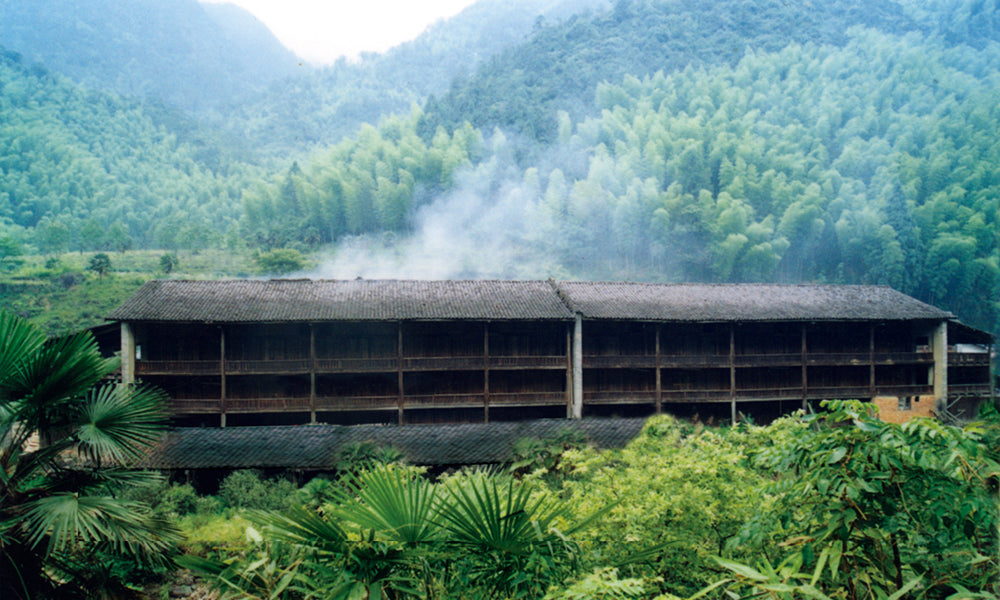
-Qinglou, a centuries-old tea-processing wooden building
Qinglou is an ancient wooden building used for processing tea laves. It is divided into three and a half levels.
Ground Floor: The bottom half-level is used to burn Masson pine, generating heat and pine smoke that rise through the building.
First floor: Serves as smoking-roasting room. The fermented tea leaves are placed on round bamboo sieves, which are then set onto baking racks for smoking and roasting.
Second floor: The temperature of the Qinglou can be adjusted by opening and closing the door.
Third floor: The residual temperature is used to wither fresh leaves.
During the tea-making season, the Qinglou is always filled with the aroma of pine smoke.
-How does Lapsang Souchong's pine-smoke aroma form?
Masson pine wood is an essential raw material for traditional Lapsang Souchong tea processing. Carefully smoked in the tea-processing Qinglou of Tongmuguan in Wuyi Mountain, the tea leaves absorb rosin continuously during the process of withering and drying, which gives Lapsang Souchong its distinctive pine-smoke and dried-longan aroma.
The Quality of Medium-Smoked Royal Black Tea
Dry leaf
Tight and heavy strips, with black bloom color.

Liquor
Bright orange-yellow.

Flavor
Strong and lasting pine-smoky notes with dried-longan fragrance.

Leaf after brew
Mellow, thick and brisk, with dried-longan flavor.

Storage resistance
Under normal temperature conditions, the quality can remain unchanged for three to five years or even longer, the taste will be more mellow, and the pine fragrance will be more pure and refreshing.
Range of Pine‑Smokey Notes and Buying Guide
Tasting notes
Dry leaf: Bold and heavy strips, with jet black color. Liquor: Bright orange-yellow.
Aroma: Strong and lasting pine-smoky notes with dried-longan fragrance.
Taste: Mellow, thick and brisk, with dried-longan flavor.
Wet leaf: Fully opened leaves with bronze color.
Brewing Guide
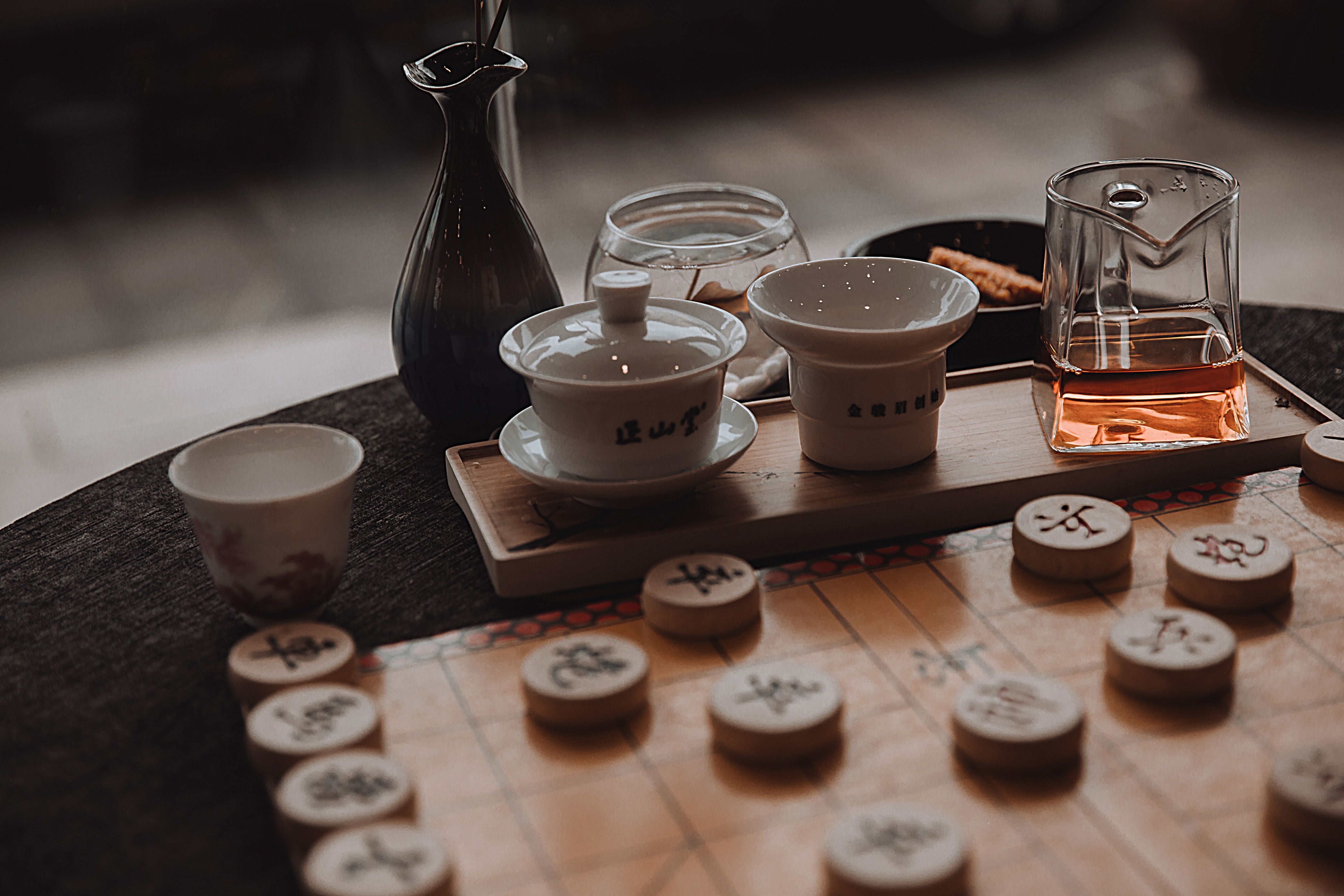
Gaiwan (covered bowl) is recommended for brewing.
1、Warm your vessel, add 5 g tea leaves and inhale the dry-leaf aroma.
2、Pour in pure water at around 90 °C-95 ℃ for infusion.
3、For the 1-4 infusions: pour out liquor quickly, no prolonged steeping.
For 5-7 infusions: steep for 5-10 s.
For 7-10 infusions: steep for about 15 s.Extend steeping time gradually with each subsequent brew to keep consistent liquor quality.

Gaiwan

90 ℃-95 ℃

