
English · Part 1
Download the published PDF edition.

LAPSANGSTORE · Discover Chinese tea
Published
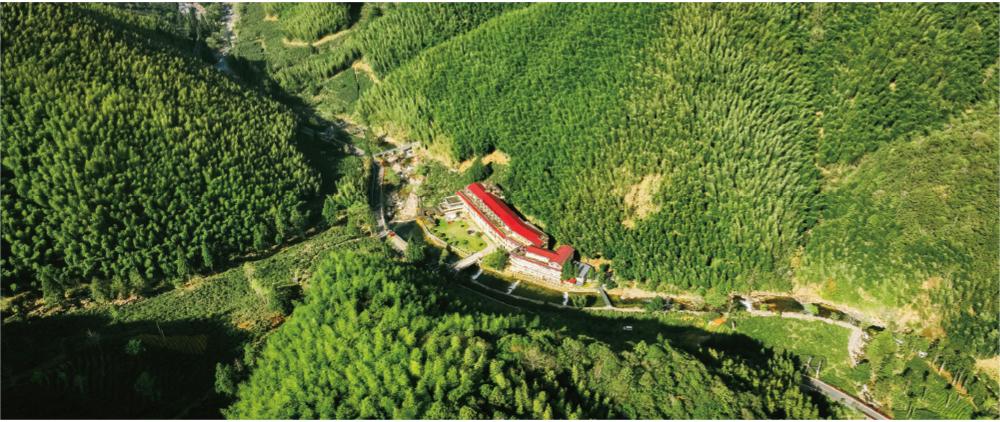
Zheng Shan Tang’s story begins with Wuyishan black tea. This guide follows the relationship between place, leaf selection and craftsmanship, from Lapsang Souchong and Jin Jun Mei to regional Junmei black teas.

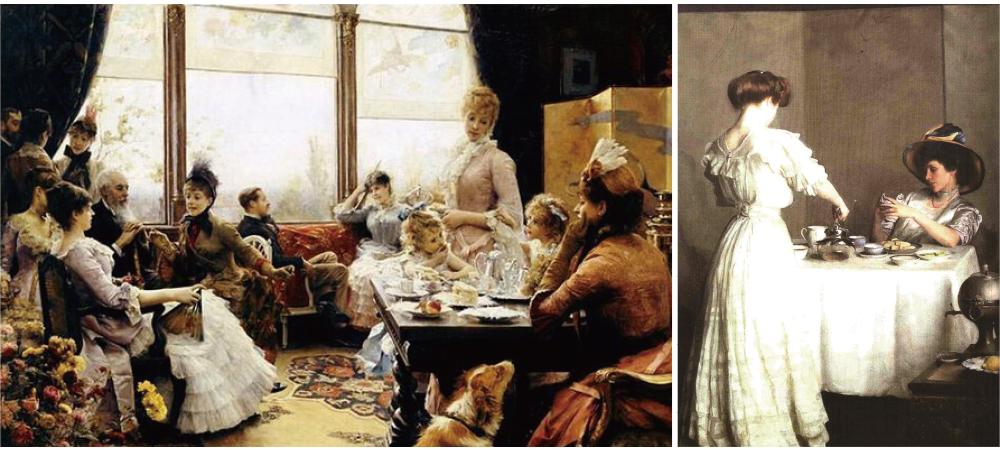
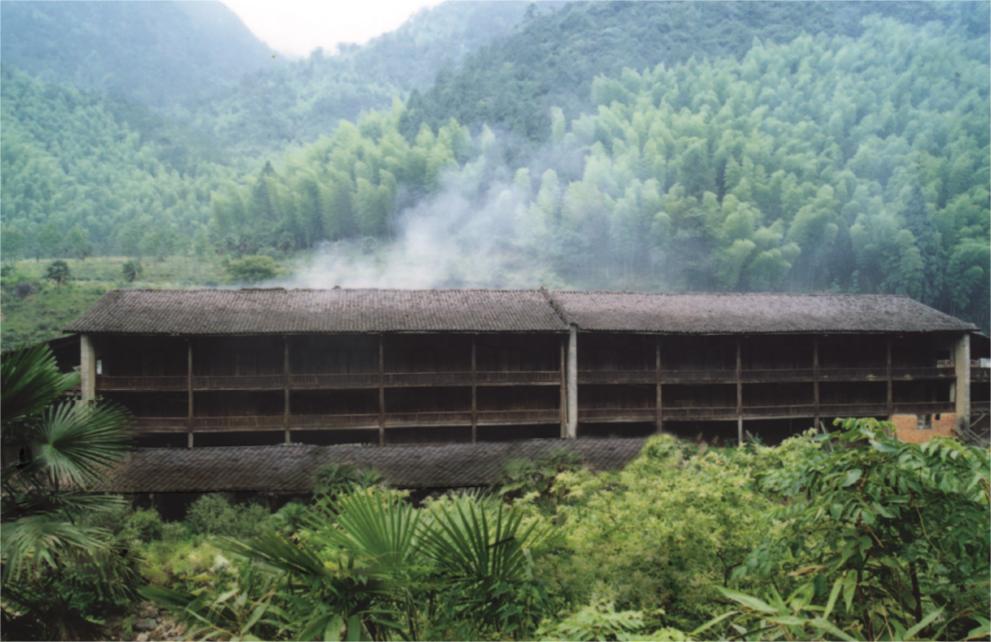
Tongmu’s mountain environment and its traditional tea buildings form part of the Lapsang Souchong story. Withering, rolling, oxidation and drying shape black tea. Smoking is a distinct processing choice: not every Lapsang Souchong has the same smoky profile.

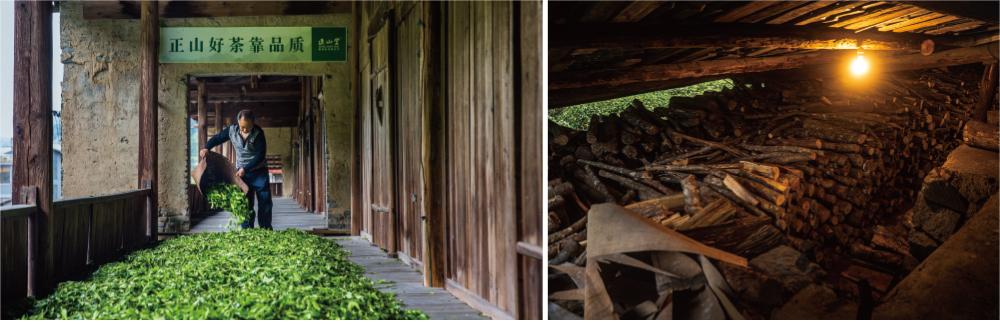
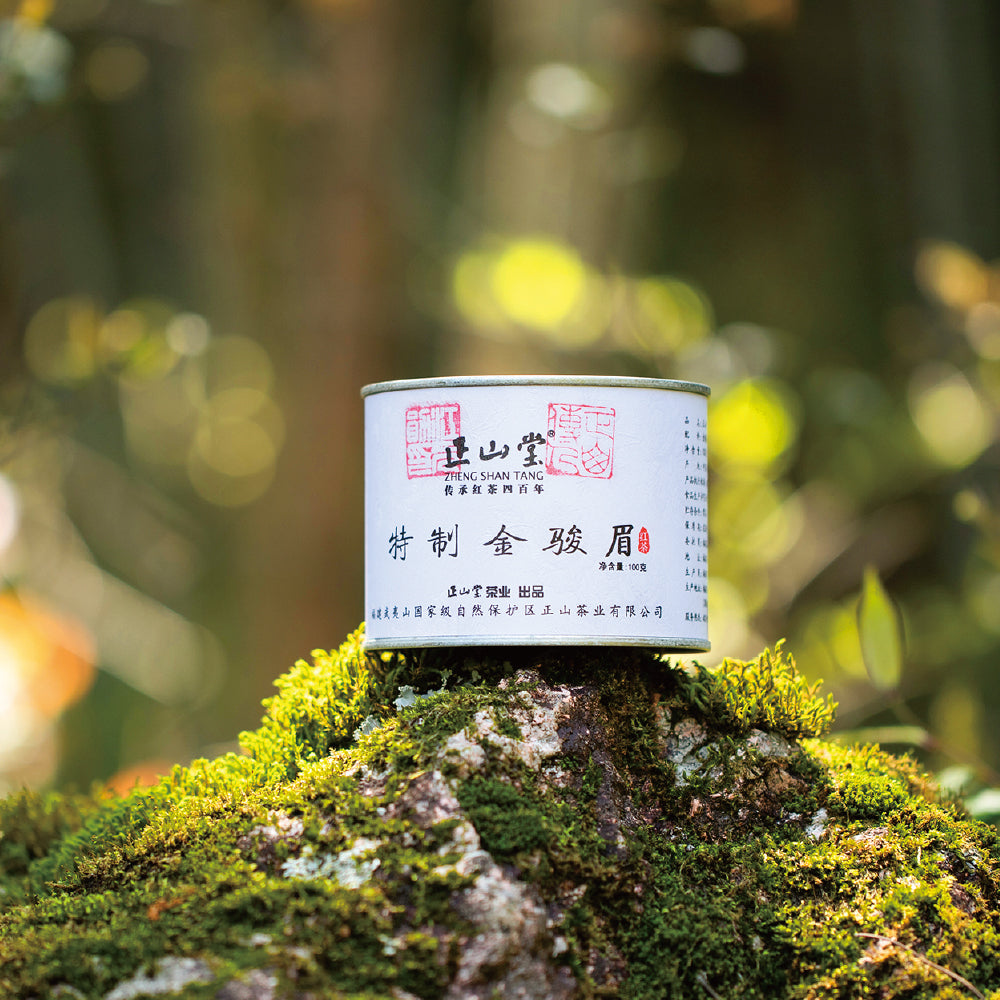
Jin Jun Mei brings careful bud selection together with black-tea craftsmanship. Read the origin and product information alongside the appearance: colour alone does not establish authenticity. Compare fragrance, clarity, texture and the finish across several infusions.

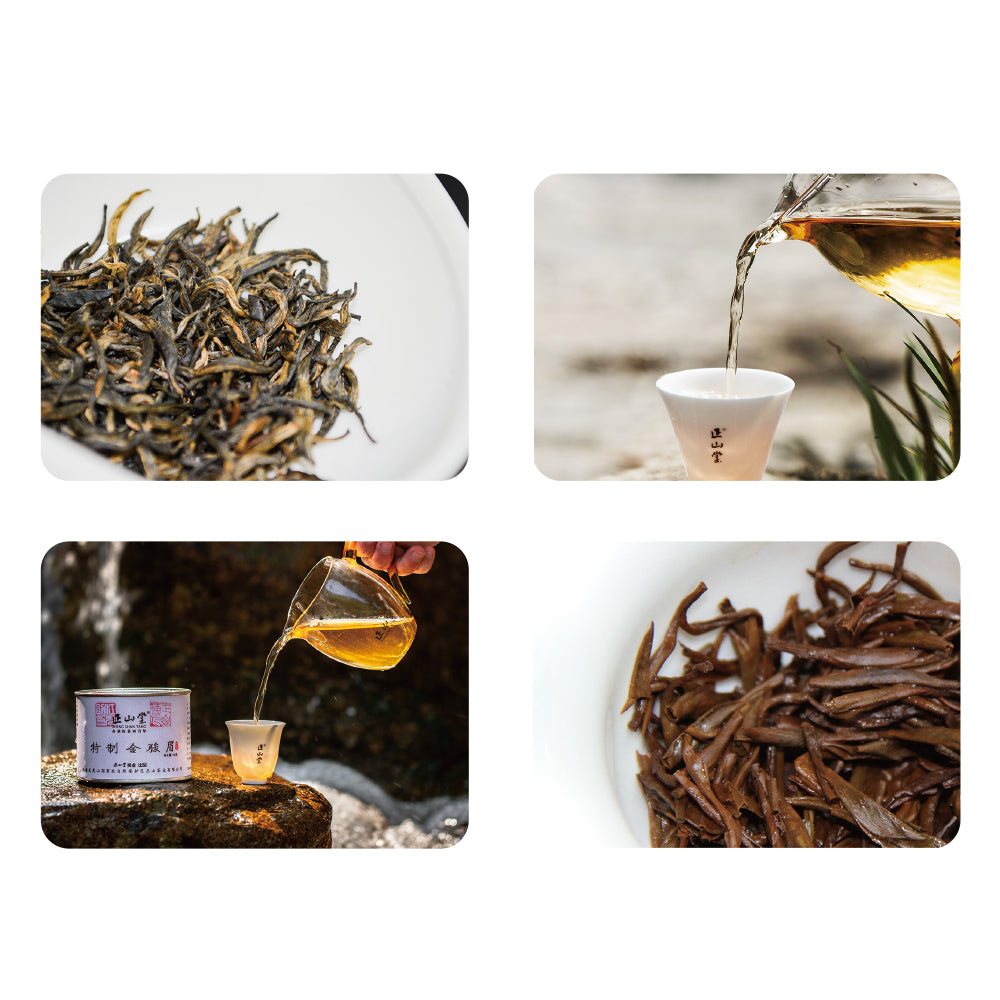
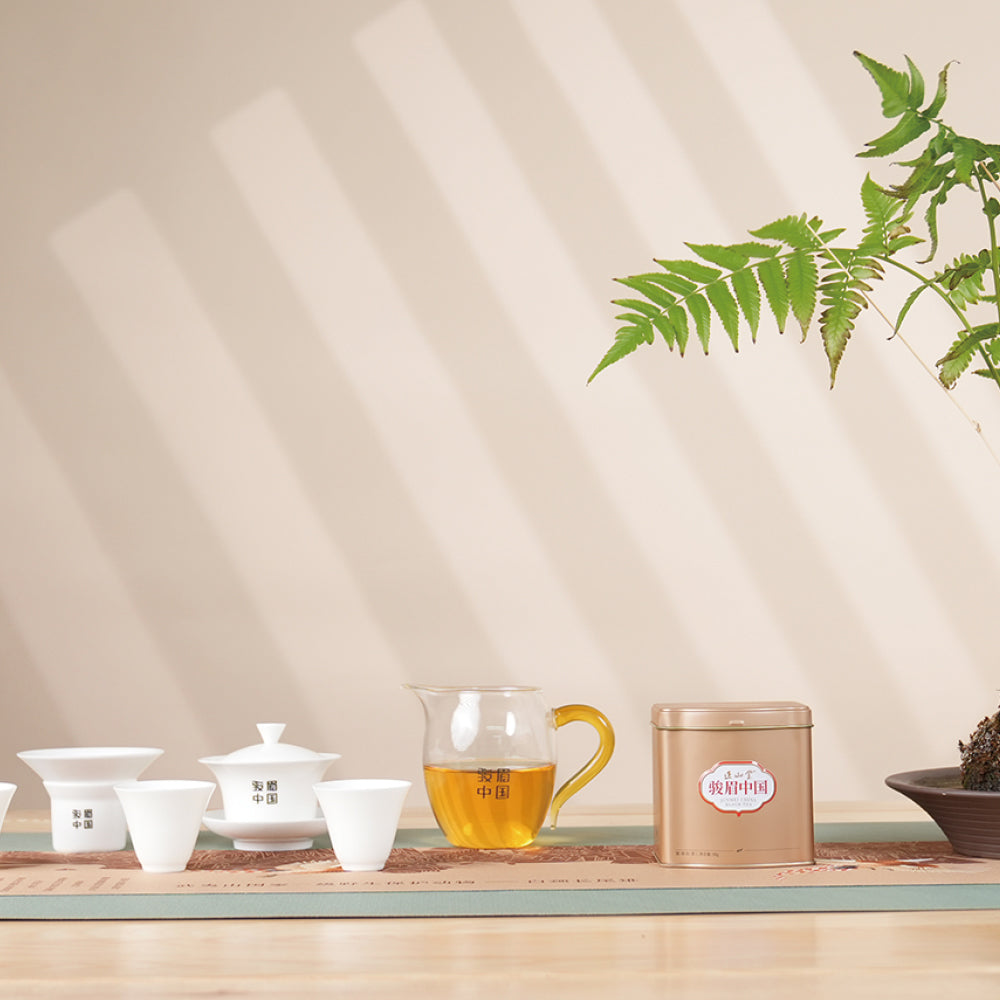
Junmei processing is also used with tea leaves from other Chinese growing regions. Cultivar, elevation, local conditions and processing influence aroma and body. Regional Junmei tea and Tongmu Jin Jun Mei each have their own origin and leaf specifications. Check the details for the tea you choose.


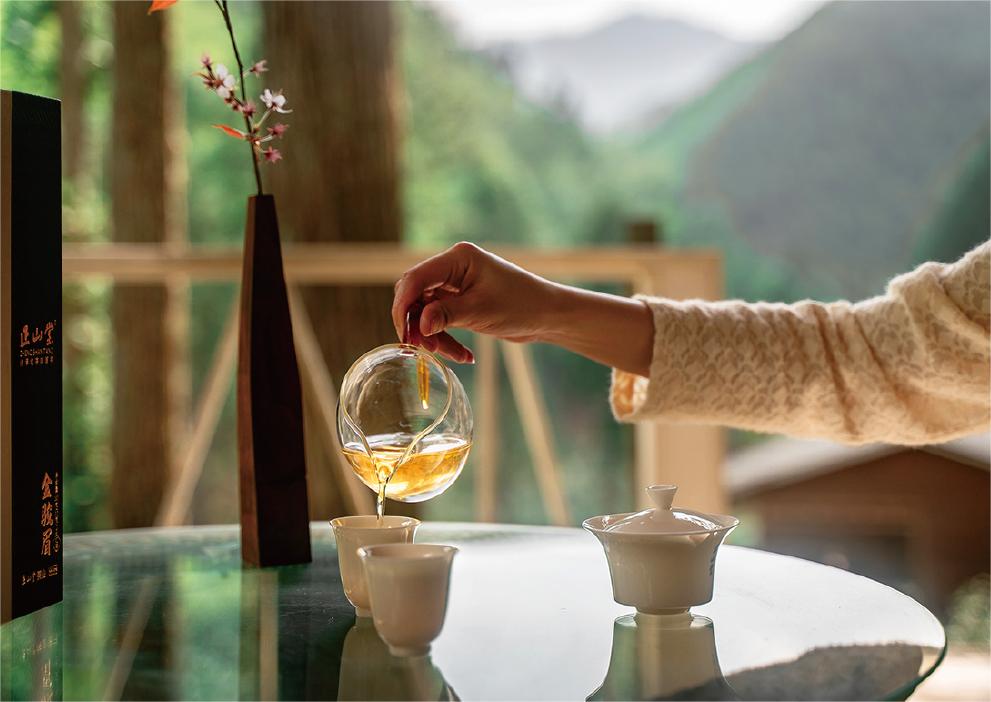
Check the tea type, origin, ingredients, net weight, storage instructions and the production or best-before information on the pack. Standards and grade descriptions must be read in their relevant product context; a high grade does not guarantee the flavour you personally prefer.
Certificates and test reports have their own scope, which can be limited to a specific tea, producer or batch.
Use fresh water and clean equipment. Start with the directions for your tea and the capacity of your vessel. In a gaiwan, pour out each infusion fully; in a mug, remove the leaves when the tea reaches your preferred strength. Adjust leaf quantity, temperature or time one at a time.
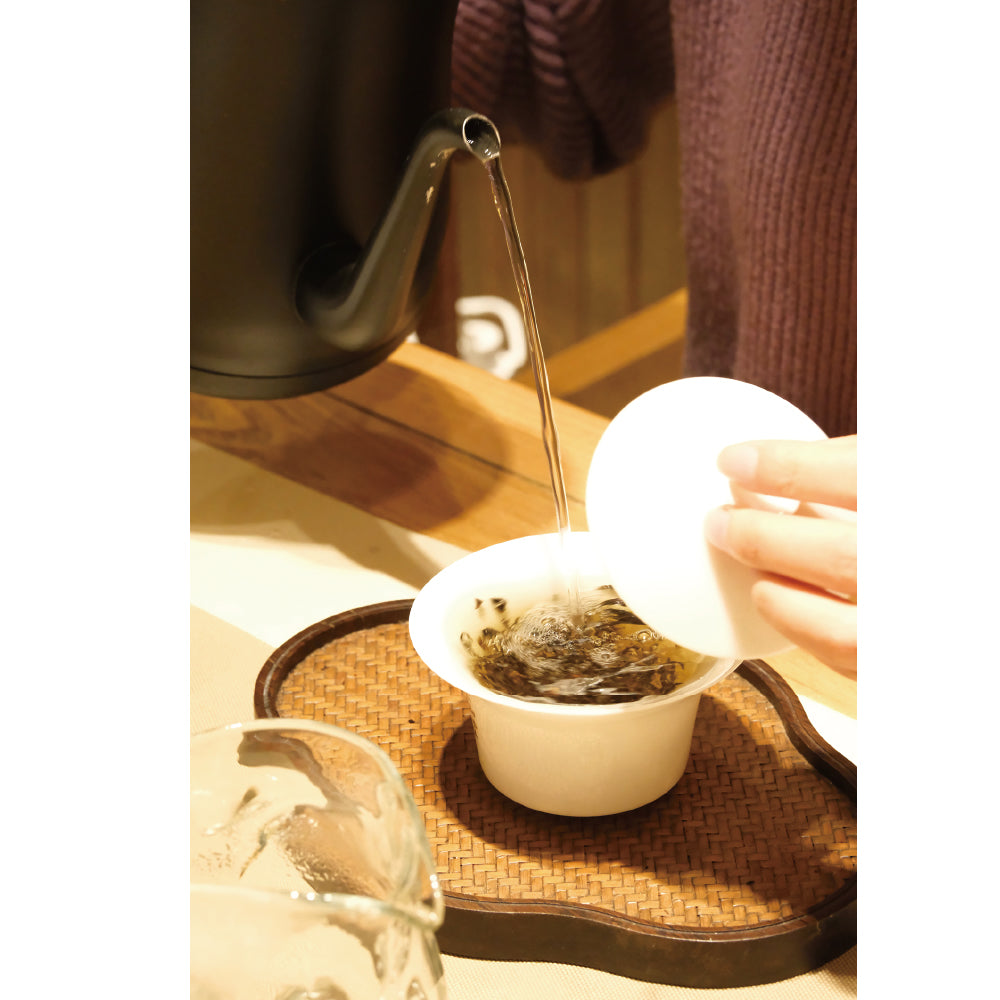
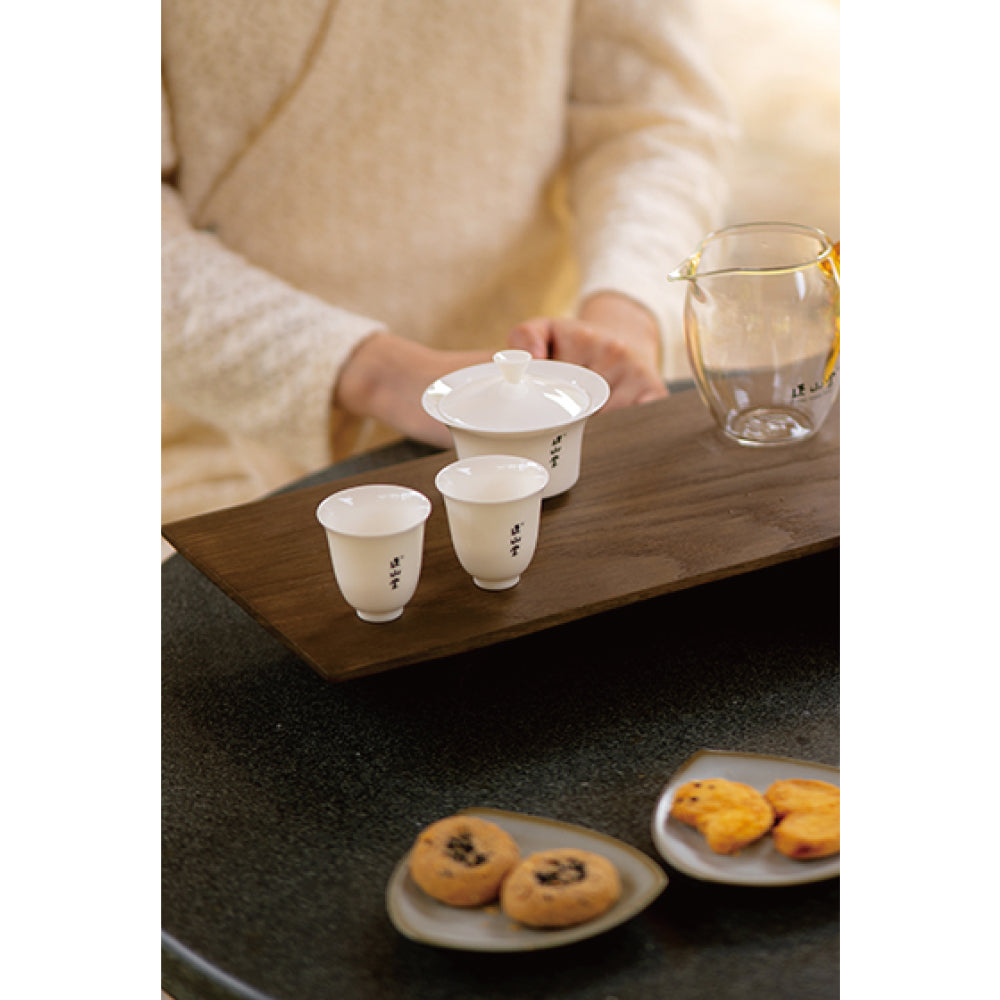
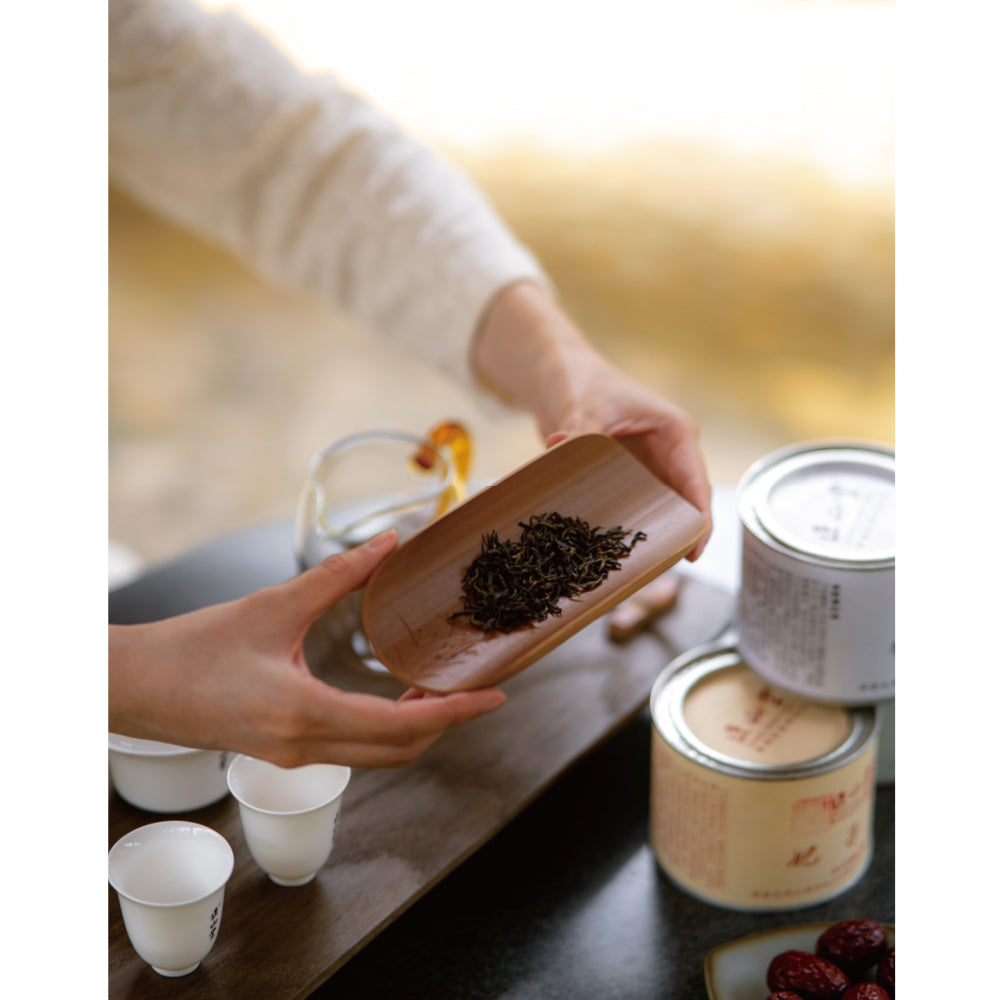
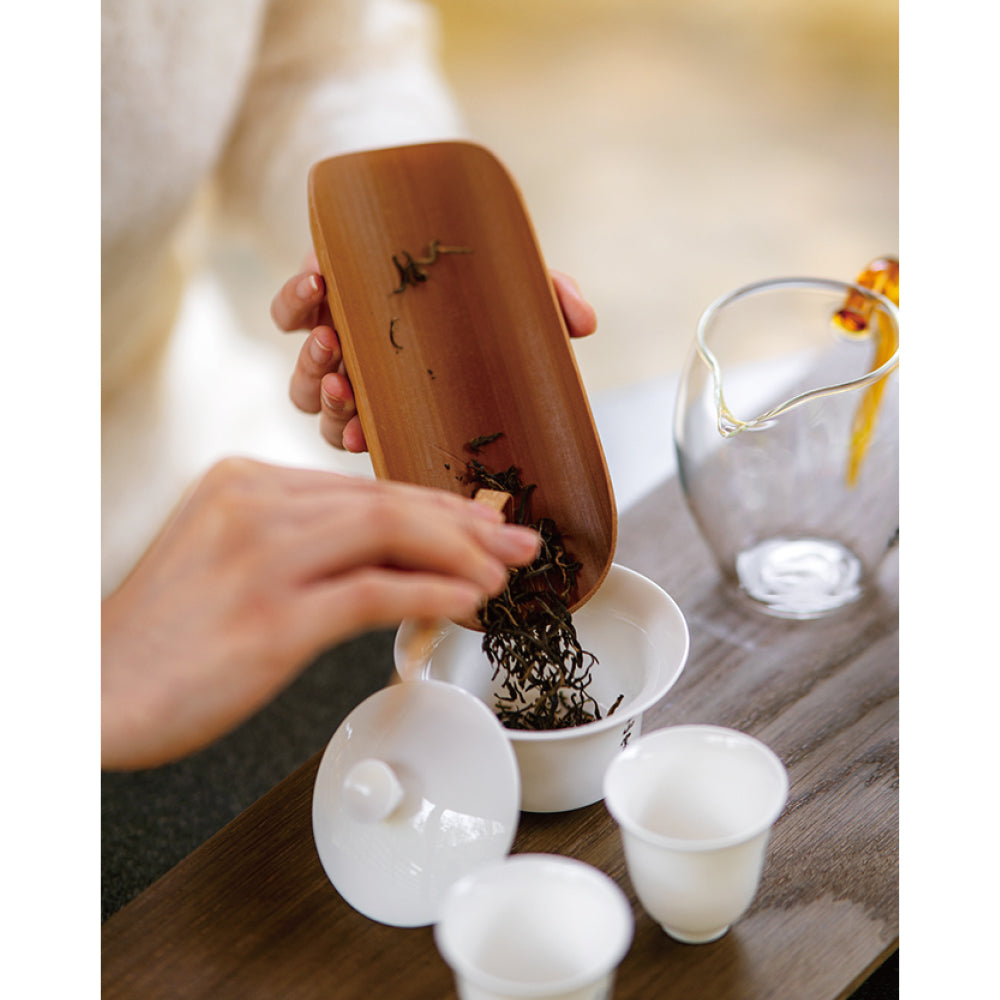
Smell the dry leaf and the brewed tea, then take a small sip once it has cooled to a comfortable temperature. Describe what you notice in your own words. For comparisons, keep water, vessel and brewing conditions similar rather than judging two teas brewed at very different strengths.
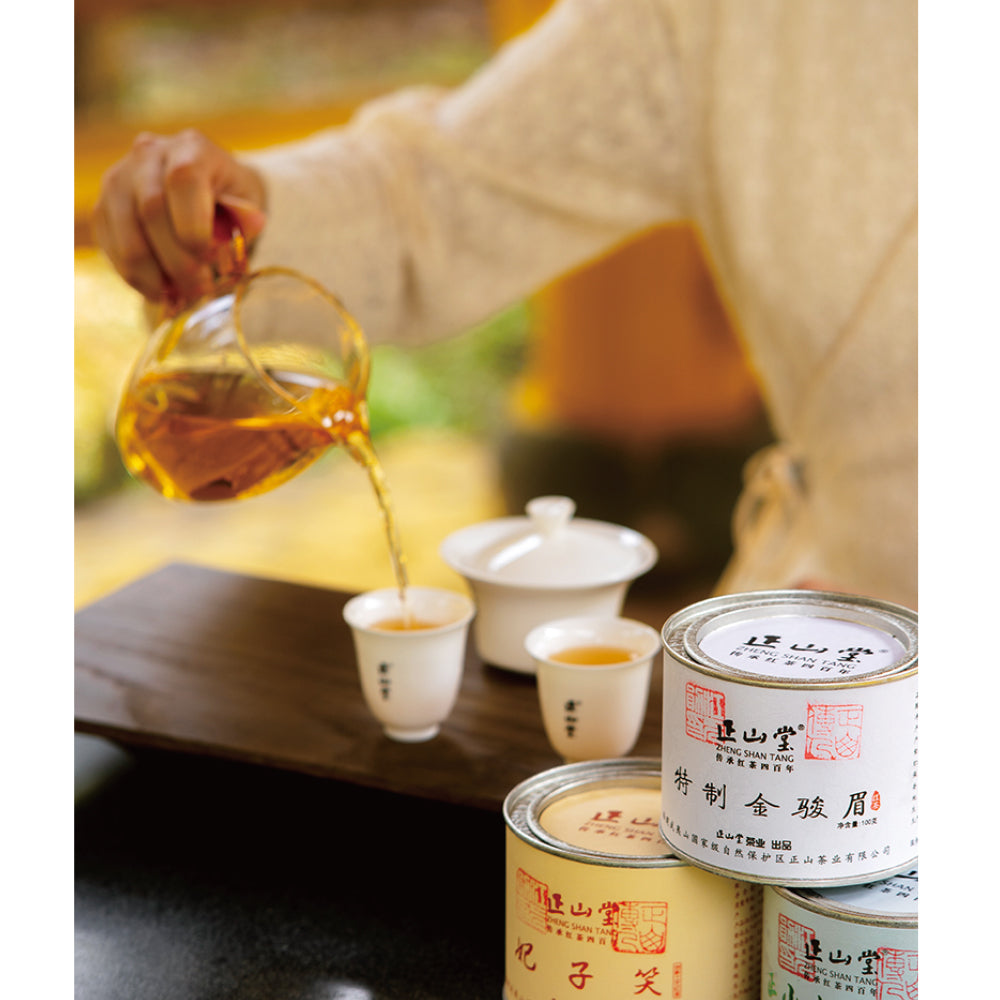
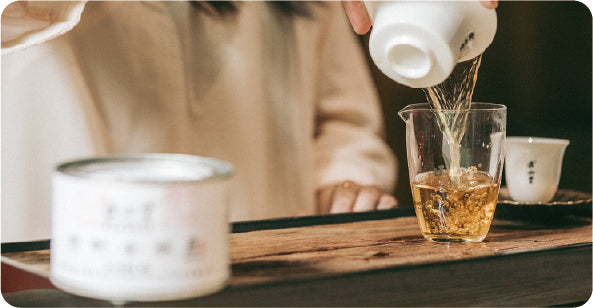
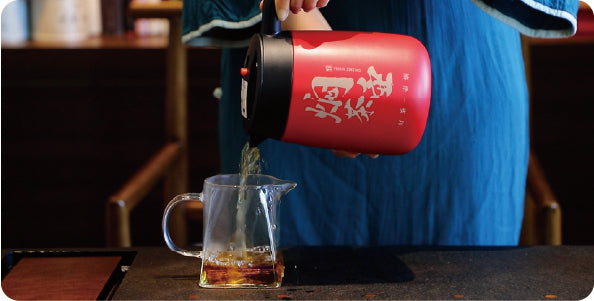
Keep tea tightly sealed, dry and away from light, heat and strong odours. Follow the shelf life and storage advice on the actual pack. After opening, limit repeated exposure to humid air and use clean, dry utensils.
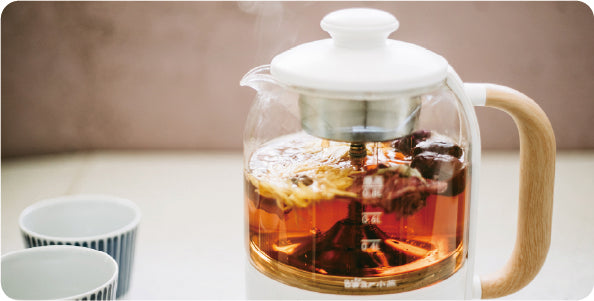
Ginger, citrus, pear or apple can be used to explore a different cup. Start with a small amount so the tea remains recognisable. Added ingredients change the recipe and its storage needs; the pictures offer serving ideas rather than a promise of health effects.
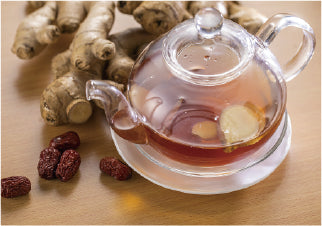

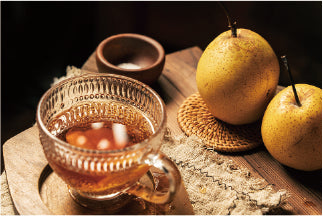
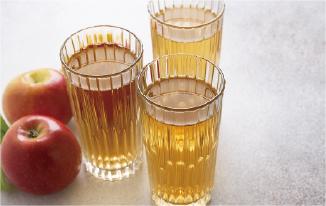
Choose flavours and serving sizes you enjoy. Plain tea, floral additions and fruit blends offer different experiences; check ingredients for sensitivities and remember that tea naturally contains caffeine. Tea is a drink to enjoy, not a substitute for medical care.

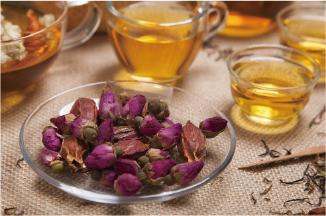
Download the published PDF edition.
Download the published PDF edition.
Download the published PDF edition.
Download the published PDF edition.
Download the published PDF edition.
Download the published PDF edition.
Continue with tea styles, origins and brewing.
