
Left Continue shopping
Your Order

You have no items in your cart

You might like

Xiao Shennongjia Wild Black Tea · 50g

A Hubei black tea from Xiao Shennongjia in Badong. Woodland and floral notes meet an orange-gold liquor, in a 50g tin with an optional gift box.

$41.94 USD
Tax included. Shipping calculated at checkout.

Black tea

Get to know this tea

At a glance

Tea type
Black tea
Origin
Xiao Shennongjia, Badong, Hubei, China
Net weight
50g
Picking standard
One bud with three or four leaves
Grade
Top grade

From the tea garden

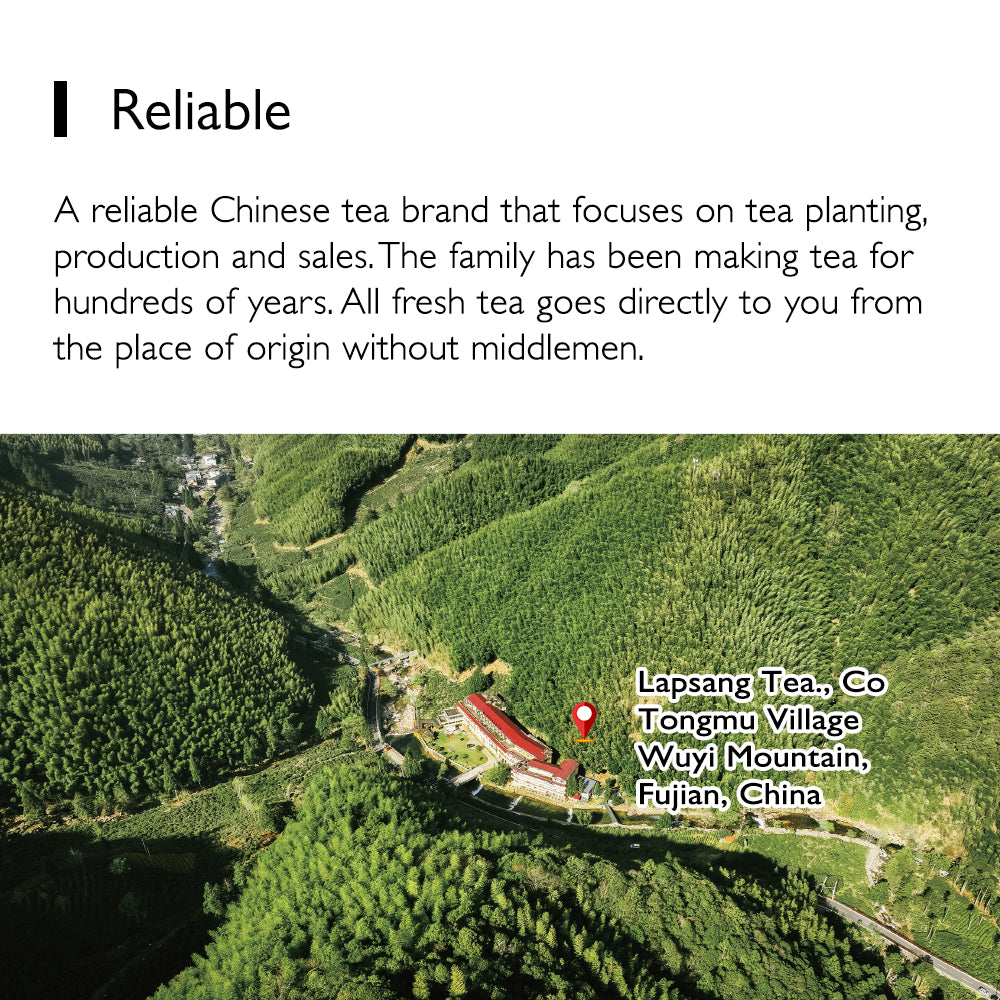
The tea comes from Xiao Shennongjia in Badong, Hubei. Leaves grow among a wooded mountain landscape and are made into black tea using Junmei craft. This is a Hubei origin, distinct from Tongmu in Fujian.

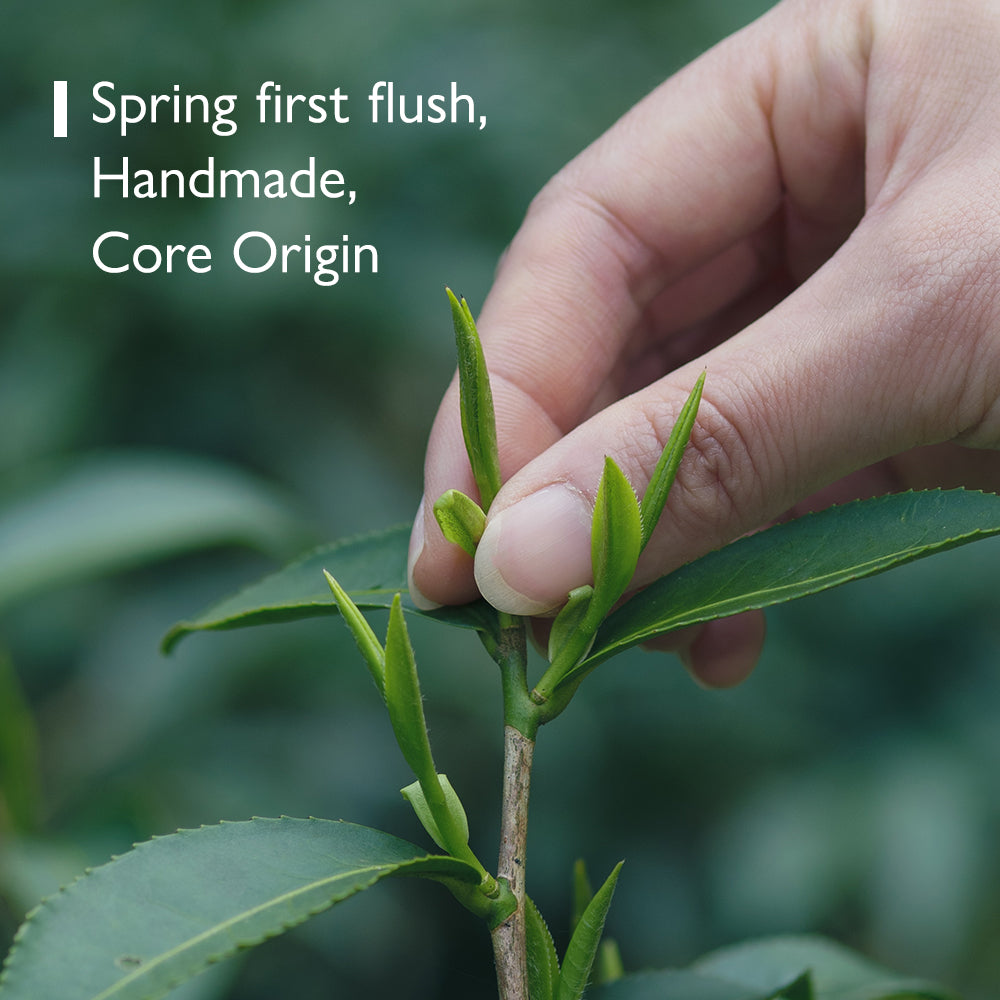
Tea picking among woodland vegetation

What to notice in the cup

Expect a natural woodland character with gentle grassy and floral notes. The liquor is orange-yellow, with a smooth, sweet finish. Try short infusions first to keep the mountain character clear.

Dry black tea and golden liquor in a woodland display

Made for everyday tea

Teaware shown in serving photographs is not included unless named in the selected option. Check the chosen pack before ordering.

Xiao Shennongjia tea tin on a woodland-inspired display
Zheng Shan Tang black tea standards display
Brand tea standards shown for context; these are not a batch test certificate.

A simple brewing starting point

Start with 5g in a 120–150mL gaiwan and 95–100°C water. Pour the first infusions promptly, then try 5–15 seconds as the leaves open. Adjust to the size of your vessel and the strength you enjoy.

Black tea poured from a gaiwan

Xiao Shennongjia tea country

Discover the tea landscape and the craft behind the cup.

Original audio

Junmei black tea craft

Discover the tea landscape and the craft behind the cup.

Original audio

Questions and answers

How should I store this tea?

Keep the tea sealed, dry and away from light and strong odours. Follow the storage and shelf-life instructions on the package. If refrigerated, keep it tightly sealed and let the closed pack return to room temperature before opening.

Xiao Shennongjia: from mountain forest to cup

Tea country in Badong, Hubei

Xiao Shennongjia lies in the mountain country of Badong, Hubei, where ridges, forested slopes and streams shape the landscape. Local tea stories connect Badong with Shennong, the legendary figure said to have discovered tea. The tea draws on local mountain leaves picked at one bud with three to four leaves and made as a black tea using Junmei craft.

The woods and valleys are part of the story of this Hubei tea. Its mountain origin gives a different context from the better-known Tongmu black teas of Fujian.

From fresh forest notes to a woody finish

The dry leaves are dark, tight and sturdy. The clear orange-gold liquor can show a golden rim in the cup. The original tasting notes evoke damp woodland, pine needles, moss and mountain herbs, with softer floral and fruit notes as the liquor cools.

Taste again after the first sip. A fuller woody note can follow the fresh aroma, and the tea finishes smooth and sweet. Look for the even, bright reddish leaves after the infusion.

Junmei craft, from picking to packing

Junmei craft follows the leaves from picking and production through processing, quality checks and packing. It explains how tea from a distinct origin fits into the wider Junmei China approach. Look for the origin and product details on your own pack. The standard shown alongside the tea describes the brand’s approach.

Three ways to brew: gaiwan, mug and cold infusion

Gaiwan: For a gentler cup, try 4 g with water around 90°C. There is usually no need to rinse. Pour out the first three infusions promptly, then use short steeps of about 5–15 seconds and lengthen as the flavour fades.

Mug: Try 2 g with 90°C water for 1–2 minutes. Strain when the flavour is right. Rebrew while the leaves have flavour, giving later rounds a little more time.

Cold brew: Put 2 g in a covered container with cold drinking water. Refrigerate for 2–3 hours, then strain to taste.