
Left Continue shopping
Your Order

You have no items in your cart

You might like

2026 First-Spring Qiantang Longjing · 200 g [GT07]

Early-spring Wuniuzao Longjing from the Qiantang area of Hangzhou. This 200 g bag offers a fresh, sweet cup with a lively bean-like aroma.

$104.90 USD
Tax included. Shipping calculated at checkout.

Qiantang area, Hangzhou, Zhejiang

Origin, craft and a daily cup

At a glance

Tea type
Green tea
Origin
Qiantang area, Hangzhou, Zhejiang
Net weight
200 g
Harvest shown
2026 harvest as listed
Grade
Top grade

A flat leaf and a fresh, sweet cup

Early-spring Wuniuzao Longjing from the Qiantang area of Hangzhou. This 200 g bag offers a fresh, sweet cup with a lively bean-like aroma.

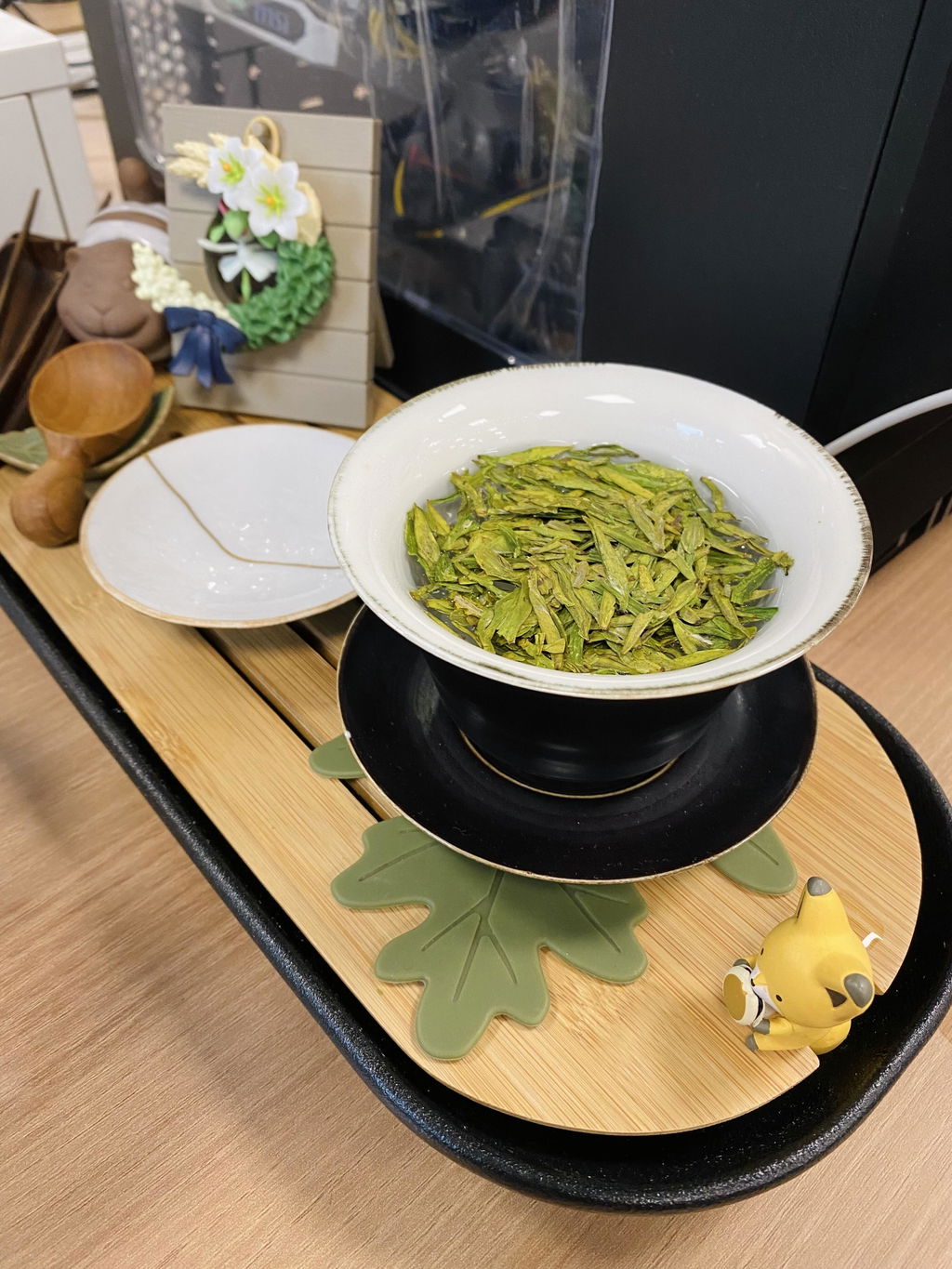
Longjing tea · 1
Longjing tea · 2

Read the origin and harvest separately

West Lake, Qiantang and Yuezhou are distinct Longjing growing areas. Pre-Qingming describes harvest timing; it does not by itself mean West Lake origin. Choose according to the origin and batch stated for the particular tea.

Green tea is made with a fixation step that limits oxidation, followed by shaping and drying. The finished leaf shape and flavour depend on the material and the maker’s process.

Longjing tea · 7
Illustrations of tea-making stages; fixation is part of green-tea processing.

A simple brewing starting point

Start with about 3 g in a glass cup and 85–90°C water. Let the leaves open for roughly 2–3 minutes, then adjust leaf quantity, water and time to taste.

Longjing tea · 8

Wuniuzao from the Qiantang area

Wuniuzao is an early-sprouting cultivar used for this tea. Its lively bean-like aroma offers a different starting point from the orchid and chestnut character of our West Lake selection.

Keep the tea sealed, dry and away from light and strong odours. Follow the storage and shelf-life instructions on the package. If refrigerated, keep it tightly sealed and let the closed pack return to room temperature before opening.

Teaware shown in serving photographs is not included unless named in the selected option. Check the chosen pack before ordering.

Questions and answers

Does “pre-Qingming” mean West Lake origin?

West Lake, Qiantang and Yuezhou are distinct Longjing growing areas. Pre-Qingming describes harvest timing; it does not by itself mean West Lake origin. Choose according to the origin and batch stated for the particular tea.

Is the cup included?

Teaware shown in serving photographs is not included unless named in the selected option. Check the chosen pack before ordering.

What is a good brewing starting point?

Start with about 3 g in a glass cup and 85–90°C water. Let the leaves open for roughly 2–3 minutes, then adjust leaf quantity, water and time to taste.

How should I store this tea?

Refrigeration can help preserve green tea’s freshness. For tea you’ll finish within a few weeks, a cool, dark place at room temperature is also suitable when the package permits it. Keep refrigerated tea tightly sealed against moisture and odors. Let the unopened package come to room temperature before opening to reduce condensation.

Follow the storage instructions and best-before date on your package.

Qiantang Longjing: first spring, leaf and brewing

Wuniuzao and the first taste of spring

Wuniuzao is an early-budding cultivar used for this Qiantang selection. Its plump spring shoots can give the dry tea a brighter green colour. In the cup, the distinctive cue is a fresh sweetness with a lively young-bean fragrance.

Place it next to the West Lake selection and use the same cup and water. Look for the contrast between Qiantang’s bright, bean-like aroma and the orchid and chestnut notes often described for the West Lake tea. Notice how each cup changes on a second infusion. Growing area, cultivar, picking date and firing all contribute to the differences.

Use the Qiantang origin stated on the actual pack when checking this tea. The season word describes when the tea was picked.

How to read the grade in the leaf and cup

Start with the dry tea. For fine Longjing, look for flat, evenly shaped leaves and a consistent colour that may range from pale yellow-green to light brown-rice tones. Some teas show tender-bean or chestnut notes, while fine examples can also have a soft orchid-like aroma. Compare the clarity of the liquor, the freshness of the flavour and the evenness of the leaves after they open.

Grade can reflect the tenderness of the plucked material and how evenly it was shaped. Larger or more mixed leaves can give a fuller roasted note. Season, cultivar and firing also affect colour and aroma. Read the stated grade with the origin and harvest details, then compare teas brewed the same way.

Origin and pre-Qingming answer different questions

West Lake, Qiantang and Yuezhou are named Longjing growing areas. Shifeng, Longjing, Yunqi, Hupao and Meijiawu are familiar names in the West Lake tradition. The place named on a pack tells you where the tea comes from. Spring weather and the timing of picking vary by area and cultivar.

Pre-Qingming, or mingqian, means picked before the Qingming festival. Those early shoots are sought for their tenderness and fresh sweetness. The term describes the calendar of the harvest, so read it alongside the stated growing area and cultivar. When comparing the two teas, try them in the same glass with the same amount of leaf and water.

From spring shoots to flat Longjing leaves

  1. Pick and spread. Tender shoots are selected to suit the grade. A short rest lets fresh leaves soften before firing.
  2. Fix and shape. Pan heat slows oxidation and develops the characteristic aroma. The maker works the leaves against the pan, gradually pressing and aligning them into the flat shape associated with Longjing.
  3. Finish drying. The final drying settles the shape and reduces moisture so the tea can be packed. Compare the shape of the dry strips with the shoots and leaves when they open in the glass.

A glass lets you watch the leaves open

  1. Fill a heatproof glass about two-thirds full with water at 85–90°C. Add about 3 g of tea.
  2. Watch the flat leaves begin to open and sink. Taste after about 2–3 minutes. If you prefer a lighter cup, start with less leaf or taste it earlier.
  3. Compare the aroma with the colour and clarity of the liquor. As the first cup becomes lighter, try topping up with warm water and taste how the next cup changes.

Seal the tea between uses and keep it away from moisture, light and strong odours. Follow the storage guidance on the actual package.